Rupert Christiansen

Rupert Christiansen is the chief dance critic of The Spectator

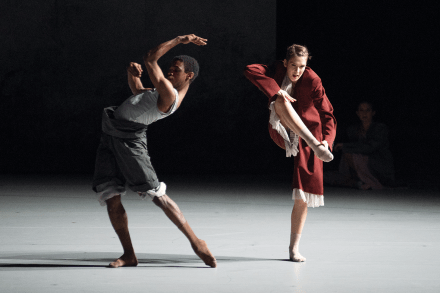
What has happened to the Paris Opéra Ballet?

From our UK edition

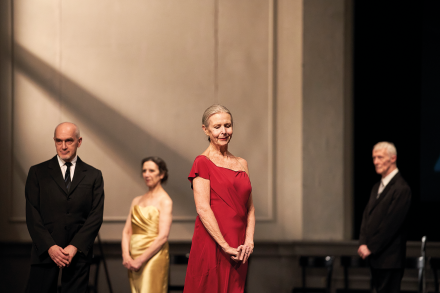
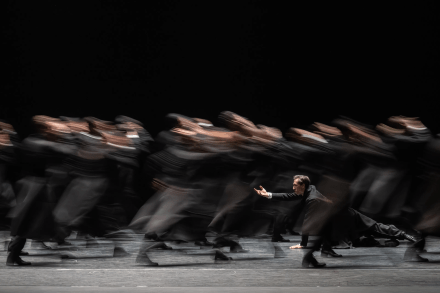
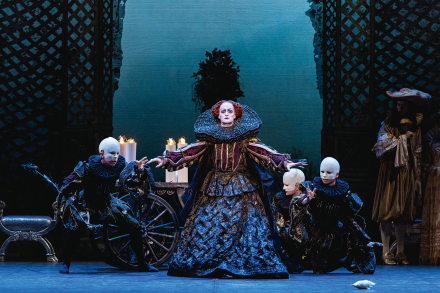
Freighted by a 350-year history, the Paris Opéra Ballet is a behemoth of an institution – lavishly subsidised by the state, hampered by barnacled traditions (including compulsory retirement on a full pension at the age of 42) and about twice the size of our own dear Royal Ballet. They do things differently there. Programming favours

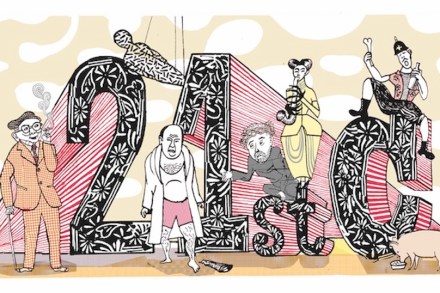
What’s the greatest artwork of the century so far?

From our UK edition

15 min listen

For this week’s Spectator Out Loud, we include a compilation of submissions by our writers for their greatest artwork of the 21st century so far. Following our arts editor Igor Toronyi-Lalic, you can hear from: Graeme Thomson, Lloyd Evans, Slavoj Zizek, Damian Thompson, Richard Bratby, Liz Anderson, Deborah Ross, Calvin Po, Tanjil Rashid, James Walton,

Why are today’s choreographers so musically illiterate?

From our UK edition

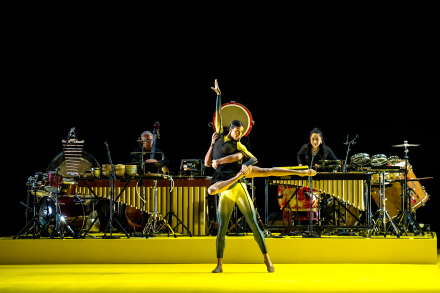
Most choreographers today have lost interest in using music as anything more than a background wash of colour and mood. More’s the pity. For an earlier generation the idea that the dance grew through the music – into and out of it – was of the essence: or, as Balanchine famously said: ‘See the music,

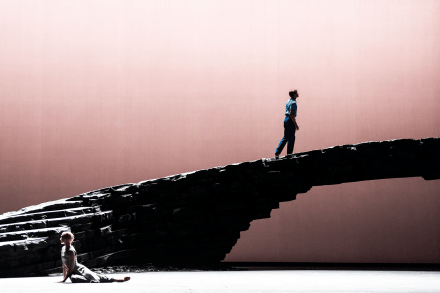
The best thing Cathy Marston has ever done

From our UK edition

The Royal Ballet has scheduled what – on paper at least – looks like one of the most dismally dull and cautious seasons I can recall. The company is hobbled by a £21.7 million government loan (that had tided the place over during Covid), which the Royal Opera House is being forced to ‘service’. One

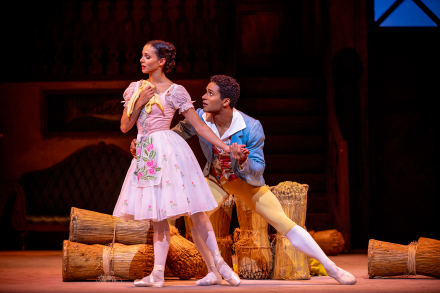
What a joy La Fille mal gardée is

From our UK edition

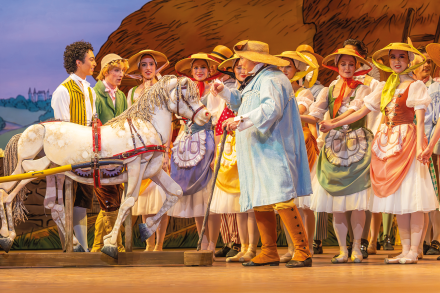
The winter nights may be drawing in and everyone is down with stinking colds as the civilised world inexorably disintegrates, but in La Fille mal gardée, it’s sunlit springtime and young love is busting out all over. Frederick Ashton’s bucolic masterpiece, revived by the Royal Ballet, manages to be both child-like in its innocence and

Let’s face it, Sleeping Beauty is a bit of a bore

From our UK edition

Let’s face it, The Sleeping Beauty runs the high risk of being a bit of a bore. A wonderfully inventive score by Tchaikovsky fires it up of course, but precious little drama emerges after nasty Carabosse gatecrashes the royal christening, and there’s too much imperial parading and courtly kowtowing throughout. Connoisseurs may relish what survives

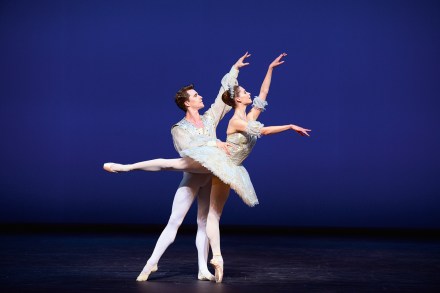
I could watch Balanchine’s Theme and Variations on repeat

From our UK edition

R:Evolution is a pun, presumably intended to suggest that tradition is not static and the obvious truth that change always grows out of what has come before. A useful idea, of course, even if it’s one that the four short works selected under this title by English National Ballet doesn’t smoothly illustrate. The management is,

Both thin and overblown: Royal Ballet’s A Single Man reviewed

From our UK edition

A common flaw in narrative ballet today is the attempt to tell stories that are too complex and ramified for the vocabulary of dance to convey. With Jonathan Watkins’s adaptation of Christopher Isherwood’s slim novella A Single Man, the flaw is the opposite. George, a middle-aged prof, is traumatised and in mourning for his recently

Picasso’s ravishing work for the ballet

From our UK edition

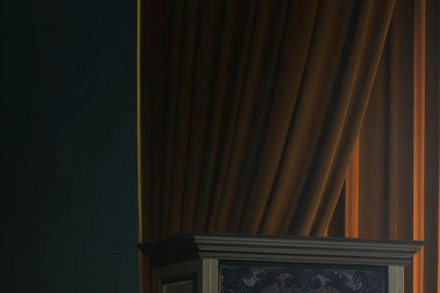
Visitors to the Victoria and Albert Museum’s new storehouse in Stratford’s Olympic Park are being enthralled by an atmospherically lit chamber devoted to the display of one vast and magnificent work of art: Picasso’s 10 metre-high, 11 metre-wide drop-curtain for Le Train Bleu, a popular hit of Diaghilev’s Ballets Russes, first seen in 1924. The

The decline of Edinburgh International Festival

From our UK edition

Edinburgh International Festival was established to champion the civilising power of European high culture in a spirit of postwar healing. But its lustre and mission have now been largely eclipsed by the viral spread of its anarchic bastard offspring, the Fringe. In competition with the latter’s potty-mouthed stand-ups and numberless student hopefuls, the dignified old

One of the best productions of Giselle I have ever seen

From our UK edition

Giselle is my favourite among the 19th-century classics. Blessed with a charming score by the melodically fertile Adolphe Adam and a serviceable but resonant plot, the drama – loosely based on a story by Heine – holds water without being swollen by superfluous divertissements. Its principal characters – the village maiden Giselle and her nobleman-in-disguise

Depressingly corny: Quadrophenia, a Mod Ballet, reviewed

From our UK edition

It’s all very well for people like me to sneer at dance makers for drawing on classic rock as a quick way of pulling in the punters, but the trick clearly does the business. Sadler’s Wells was pretty well full on the night I saw Pete Townshend’s Quadrophenia, a concept album that has endured several

The cheering fantasies of Oliver Messel

From our UK edition

Through the grey downbeat years of postwar austerity, we nursed cheering fantasies of a life more lavishly colourful and hedonistic. Oliver Messel fed them: born into Edwardian privilege, the epitome of well-connected metropolitan sophistication, he doubled up as interior decorator and stage designer, creating in both roles a unique style of rococo elegance and light-touch

The artistic benefits of not being publicly subsidised

From our UK edition

Paralysed rather than empowered by the heavy hand of Big Brother Arts Council, the major subsidised dance companies are running scared and gripped by dismally risk-averse and short-termist attitudes. Free from the deadening metrics of diversity quotas and targeted outcomes, smaller more independent enterprises – London City Ballet and New English Ballet Theatre among them

Christopher Wheeldon’s real gifts lie in abstract dance

From our UK edition

Christopher Wheeldon must be one of the most steadily productive and widely popular figures in today’s dance world, but I’m yet to be persuaded that he has much gift for narrative. His adaptation of the novel Like Water for Chocolate was a hopeless muddle; his response to Alice’s Adventures in Wonderland is mere vaudeville; and