Richard Bratby

Richard Bratby is the chief classical music critic of The Spectator

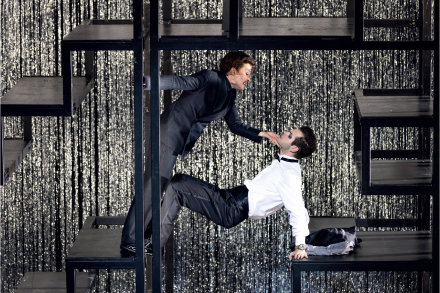
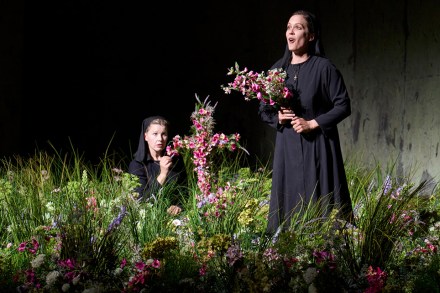
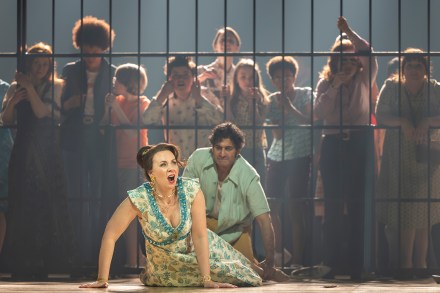
Taut as a drumskin: Dialogues des Carmélites, at Glyndebourne, reviewed

From our UK edition

The three Just Stop Oil protestors were sitting in the stalls, somewhere near the middle of the front row. Someone had shelled out a cool £600 for those tickets – navigating the Glyndebourne website without, somehow, clocking the company’s loudly proclaimed commitment to sustainability (they even produce their own dyes for costumes these days, using

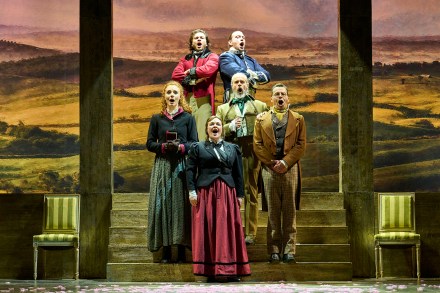
To die for: Grange Park Opera’s Tristan & Isolde reviewed

From our UK edition

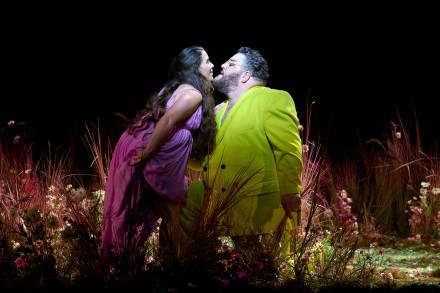
There are a lot of corpses on stage at the end of Charles Edwards’s production of Tristan & Isolde for Grange Park Opera. At this stage in the drama, directors tend to fade out the bloodbath, the better to focus on Isolde’s final dissolution into bliss. But as Michael Tanner argues, Tristan, like the Ring,

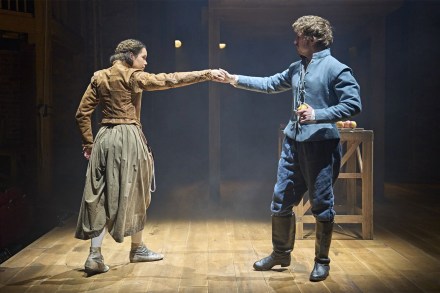
Florid flummery: ETO’s Il viaggio a Reims reviewed

From our UK edition

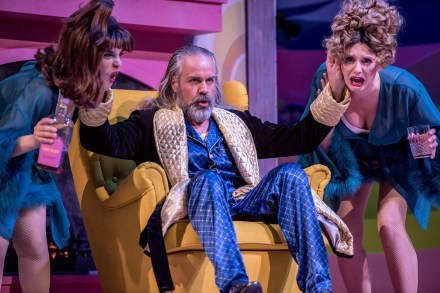
Lightning sometimes strikes twice. English Touring Opera hit topical gold last spring when, wholly by coincidence, they found themselves touring with Rimsky-Korsakov’s Russian anti-war satire The Golden Cockerel. Now the company’s general director Robin Norton-Hale insists that their current tour of Rossini’s Il viaggio a Reims – written in 1825 to celebrate the coronation of

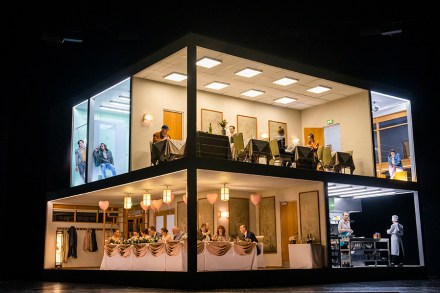
Dated and wasteful: Rusalka, at the Royal Opera House, reviewed

From our UK edition

Careful what you wish for. There can be no definitive way to stage an opera, and it’s the critic’s duty to keep an open mind. Still, we’ve all occasionally gazed at a white cube that represents an Alpine meadow, or watched a chivalric hero slouch across the stage in tracksuit bottoms, and felt our hearts

Crapcore: ENO’s The Rhinegold reviewed

From our UK edition

Tubas and timpani thunder in The Rhinegold as the giants Fasolt and Fafner, having built Valhalla, arrive to claim their fee: Freia, goddess of beauty and youth. It doesn’t go well. Suddenly Fasolt drops his defences and declares his yearning (the translation is John Deathridge’s) for ‘a woman who’d lovingly and softly live with us