Paul Kildea

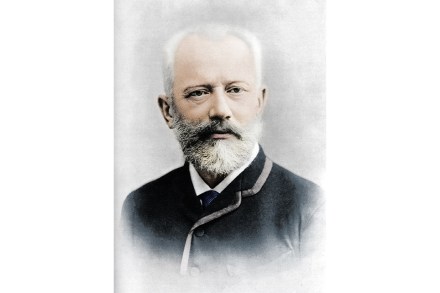
Introducing Tchaikovsky the merry scamp

From our UK edition

Some years ago, following a Christmas performance of Tchaikovsky’s Nutcracker, I sat in one of the dives near the theatre with a member of the corps de ballet, the gay son of close friends. The audience had been populated largely by children and teenagers, most of whom were either smitten by the intrepid, empathetic Clara
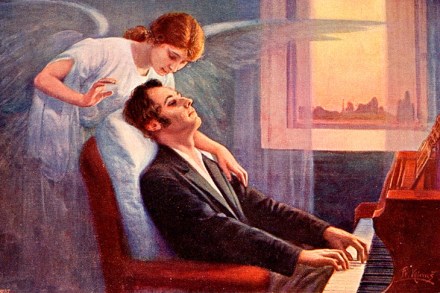
It’s time to leave Chopin in peace

From our UK edition

There’s a scene early on in A Song to Remember — Charles Vidor’s clunky Technicolor film of 1945 — in which the young Frédéric Chopin (Cornel Wilde) provides background music for a banquet hosted by Count Wyszynska in his Warsaw palace, plates of rubbery pig and candy-coloured vegetables in heady supply. Chopin plays his own

Haunted by Old Russia: Rachmaninoff’s lonely final years

From our UK edition

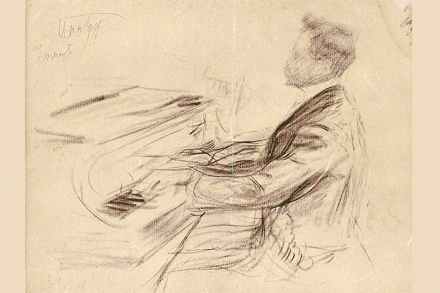
Ask a roomful of concert pianists to pick their graveyard moment in Rachmaninoff’s Piano Concerto No. 3 (1909) and they’ll almost certainly point to five or so pages halfway through the last movement where an ant nest of piano notes infests a sparse orchestral threnody. When an elderly Vladimir Horowitz performed this passage – lank,

Bach to the rescue

From our UK edition

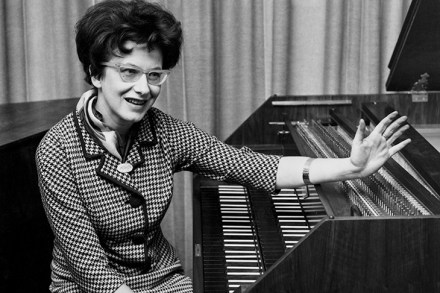
One of the great joys of the 18th-century novella La petite maison is the way Jean-François de Bastide matches the proportions and shape of the book to the architecture of the exquisite country house at the story’s heart. Zuzana Ružicková, the outstanding Czech harpsichordist who died in 2017 while working with Wendy Holden on this

Mozart the infant prodigy was also a child of the Enlightenment

From our UK edition

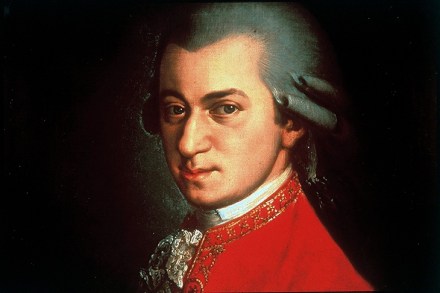
‘My dear young man: don’t take it too hard,’ Joseph II counsels a puppyish Mozart, the colour of his hair unknown in nature. ‘Your work is ingenious. It’s quality work. And there are simply too many notes, that’s all. Just cut a few and it will be perfect.’ ‘Which few did you have in mind,

The coming of the Messiah

From our UK edition

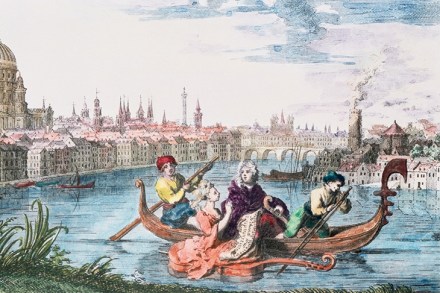
England has been home to three great composer-entrepreneurs since 1700: Benjamin Britten in the 20th century; Arthur Sullivan in the 19th; and George Frederick Handel in the 18th. The operatic landscape they encountered was relatively fallow, yet each cultivated his patch of earth, produced works of astonishing originality and impact, and revolutionised both the art