Lucy Dunn

Lucy Dunn

Lucy Dunn is The Spectator's political correspondent. She is a qualified doctor from Glasgow.

Ewing snubs SNP ahead of Holyrood election

From our UK edition

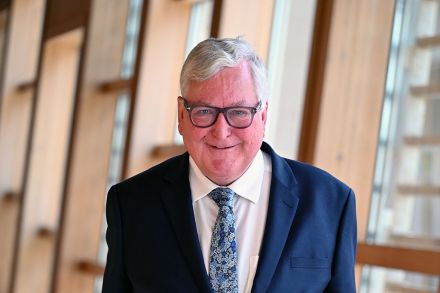
With less than 11 months to go until the Holyrood election, things aren’t looking quite as rosy for the SNP as in previous elections. The party is 15 points down on where it was 2021, it lost the recent Hamilton by-election with Reform hot on its heels and now it has been dealt another blow. SNP veteran Fergus Ewing has confirmed that he will run as an independent at the 2026 Scottish parliament election, turning his back on a political institution he has represented in Holyrood for over a quarter of a century. It’s quite the move from a politician who grew up as SNP royalty, being the son of the party’s first female MP Winnie Ewing.
The inside story of how Labour is dealing with Iran

From our UK edition

16 min listen

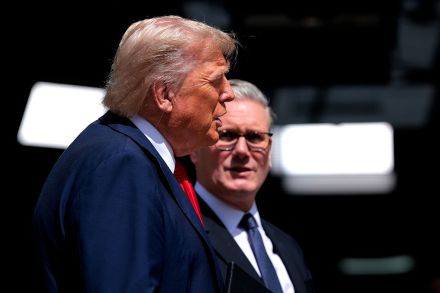
This week, our new political editor Tim Shipman takes the helm and, in his cover piece, gives us the inside track on how Labour is dealing with Iran, Donald Trump and the prospect of escalating war in the Middle East. He writes that this could be the moment when all of Keir Starmer’s chickens come home to roost: his well-curated international image is at risk of crumbling as global crises present greater challenges; his hands are tied by legal advice from the controversial Lord Hermer; the Chagos Islands are being drawn into the US’s retaliation plans; and there remains the looming threat of backbench rebellion over Labour’s national security strategy. Tim is joined by James Heale and Lucy Dunn to discuss what may be Starmer’s biggest test yet.

MPs vote to decriminalise abortion

From our UK edition

MPs have voted to make the biggest change to abortion laws in 50 years this evening, backing the decriminalising of abortion for women at any point in their pregnancy. An amendment to the crime and policing bill was passed by 379 ayes to 137 noes after MPs were given a free vote on the issue this evening, with several cabinet ministers voting in favour of the change.  Now women who end their pregnancy after 24 weeks gestation – or without the sign-off from two doctors, as has been the usual practice – will no longer face the threat of arrest and imprisonment for late-term abortion.

Can you ‘take the politics out’ of the grooming gangs scandal?

From our UK edition

13 min listen

Yesterday Yvette Cooper announced a national inquiry into the grooming gangs scandal after the Casey Review found that a disproportionate number of Asian men were responsible and that governments and authorities had failed to step in over fears of racism. Anxious to press Labour on their U-turn – memorably, Starmer accused the Tories of ‘jumping on the far-right bandwagon’ – Kemi Badenoch held a press conference, joined by victims of the gangs. ‘I’m not doing politics now, when I’m in the Houses of Parliament, when I’m in the Commons, I will do politics’, she said. But can you really take the politics out of the grooming gangs scandal? Elsewhere, Donald Trump has fled the G7.

Is Rachel Reeves’s headroom shrinking?

From our UK edition

13 min listen

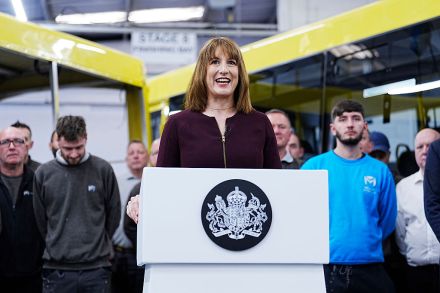
There were clear winners and losers in Rachel Reeves’s spending review yesterday but some of her announcements around capital spending and investment saw her dubbed the ‘Klarna Chancellor’ by LBC’s Nick Ferrari for her ‘buy now, pay later’ approach. Clearly trying to shake off the accusations of being ‘austerity-lite’, Labour point to longer term decisions made yesterday, such as over energy policy and infrastructure. But will voters see much benefit in the short-term? And, with the news today that Britain’s GDP shrank by 0.3% in April, will the decisions Rachel Reeves have to make only get harder before the October budget? Lucy Dunn speaks to Michael Simmons and Claire Ainsley, former director of policy to Keir Starmer and now at the Progressive Policy Institute.

Swinney stages reshuffle amid SNP infighting

From our UK edition

It’s a busy day in politics and the SNP is keen not to be left out of the action. As Chancellor Rachel Reeves unveils her spending review in London, today the Scottish Cabinet has undergone a reshuffle. The looming return of ex-net zero secretary Mairi McAllan from maternity leave had in recent weeks sparked speculation about how First Minister John Swinney would reorganise his top team, and his party’s rather dismal result in last week’s Hamilton by-election has led to much frustration – public and private – about the strategy deployed by the SNP government. Swinney’s reshuffle today may be modest, but the First Minister has, with 11 months to go (and barring any major upsets), created the cabinet to lead the SNP into the 2026 Holyrood election.

Labour goes nuclear while Reform turns to coal

From our UK edition

17 min listen

Rachel Reeves has pledged a ‘new era of nuclear power’ as the government confirms a £14.2 billion investment in the Sizewell C nuclear plant in Suffolk. This comes on the eve of Labour’s spending review, with the government expected to highlight spending pledges designed to give a positive impression of Labour’s handling of the economy. However, as Michael Simmons tells James Heale and Lucy Dunn, there are signs that the government’s National Insurance hike is starting to bite. Plus – Nigel Farage has made two announcements in as many days. This morning, he unveiled Reform’s new chairman, former MEP Dr David Bull, taking over from the recently returned Zia Yusuf.

Nigel Farage’s grand plan to reindustrialise Wales

From our UK edition

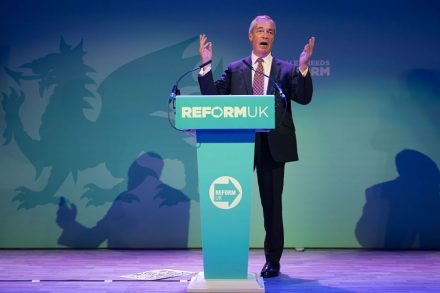
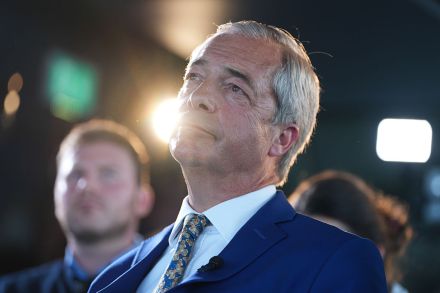
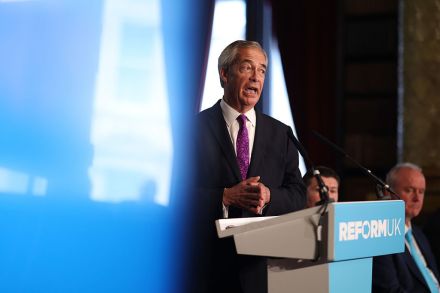
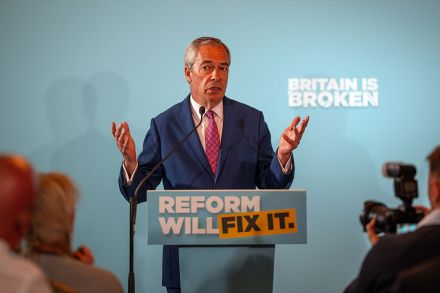
‘Our ambition is to reindustrialise Wales,’ Reform’s Nigel Farage announced to a small room lit up with turquoise lights at the back of Port Talbot’s Plaza Café. The Reform leader had chosen the ideal place to launch his long campaign for the Senedd next May. The town’s last traditional blast furnace closed in October; Farage wants to see them reopened. ‘A Reform government based in Cardiff is going to be very different,’ he smiled at the assembled press pack. ‘It’s going to be very, very different indeed.’ Reform UK’s campaign in Wales is targeted at working-class, non-graduate voters fed up with their failing public services and lack of opportunity.

Surprise Labour victory as Reform’s fallout continues

From our UK edition

14 min listen

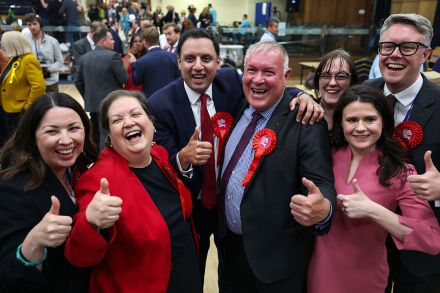
Scottish Labour have a new MSP today as Davy Russell won the Hamilton, Larkhall and Stonehouse by-election, taking the seat from the SNP. Labour won with 31.6% of the vote with the SNP second on 29.4%, Reform close behind on 26.1% and the Conservatives a distance fourth with just 6% of the vote; this marks rare good news for both Keir Starmer and Scottish Labour leader Anas Sarwar. Both SNP and Reform will be disappointed not to have won, but Reform have been quick to highlight how close they came, considering how new the party is. Plus, there are signs that Reform took votes away from the incumbent SNP, demonstrating again that Reform can appeal to voters across the political spectrum – what does this mean for next year’s Holyrood elections?

Scottish Labour wins Hamilton in spite of Starmer

From our UK edition

In the early hours of this morning, Scottish Labour won the Hamilton, Larkhall and Stonehouse by-election in a three-way contest that turned out to be even tighter than expected. Local candidate Davy Russell clinched victory in a seat that the SNP has held for 14 years – despite running a media-shy campaign that saw him duck out of election debates and widely mocked for his discomfort on camera. But while Labour politicians insist this unexpected win shows they’re back on top – party leader Anas Sarwar even claimed he now ‘expected’ to win the 2026 Holyrood election – the numbers tell a slightly different story. Hamilton's by-elections have proven to be metaphors for political upheaval, and this time it is Reform's breakthrough that is noteworthy.

To spend or not to spend

From our UK edition

16 min listen

Rachel Reeves unveiled billions of pounds of investment today for transport and infrastructure projects, as Labour attempts to demonstrate that next week’s spending review is not just about departmental cuts. However, most of the political noise today has centred on her announcement that the winter fuel cut will be reversed by the end of the year. But what does this all mean for the average voter, for the Chancellor’s fiscal headroom – and why is the government still blaming its own ‘fiscal rules’? James Heale and Michael Simmons join Lucy Dunn to unpack the Chancellor’s announcements and explain the economic jargon, plus a look at today’s PMQs. Produced by Patrick Gibbons and Oscar Edmondson.

Winter fuel payments will be reinstated this year, Reeves insists

From our UK edition

Labour’s winter fuel payment cut has proven one of the most controversial policies brought in by the party since it got into government last summer – and today Chancellor Rachel Reeves has promised the payment will be reinstated to some pensioners by this winter. Speaking from Manchester this morning, the Chancellor said that ‘more people will get winter fuel payments this winter’ and hinted that changes to the current £11,500 threshold would be set out in her spending review next Wednesday. This doesn’t mean that the universal payment will be making a return, however. Reeves said today that a ‘means test’ would be introduced by the end of the year while pensions minister Torsten Bell has ruled out returning the benefit to all pensioners.

Is the public ready for difficult decisions on defence?

From our UK edition

16 min listen

Former Commander of Joint Forces Command – and one of the authors of the Strategic Defence Review – General Sir Richard Barrons joins Lucy Dunn and James Heale to talk through the main conclusions of the review, and the questions it raises. Labour have talked up the fact that this is the first government in a generation to not reduce the size of the armed forces. But, as Sir Richard explains, difficult choices await politicians and the public if the UK wants to be more prepared, and faster, for potential threats. Produced by Patrick Gibbons.

No one won the Hamilton by-election debate

From our UK edition

‘How useful are TV debates anyway?’ a Labour figure scoffed when I asked why their candidate in the Hamilton by-election wasn’t taking part in any debate this week. After the STV by-election debate special on Monday night, you might think they had a point. Only two of the six candidates approached by the broadcaster agreed to come into the studio – and the absence of Labour’s man made the whole thing very much a two-horse race between the SNP and Reform.  The absence of Labour’s man made the whole thing very much a two-horse race between the SNP and Reform In his brief introductory statement, Reform’s Ross Lambie – a Tory councillor until March – talked about the general feeling of disillusionment voters had for establishment parties.

Reform’s Scottish surge continues

From our UK edition

Nigel Farage’s first trip to Scotland in six years hasn’t lacked drama. In Aberdeen this morning, the Reform UK leader announced his newest Tory defector and Granite Council’s first Reform man, Duncan Massey. In a sprightly presser, Farage proceeded to back new oil and gas licences in Scotland, defended his party’s ‘racist’ attack ad on Scottish Labour leader Anas Sarwar and took a pop at a journalist, accusing the Herald newspaper of colluding with protestors outside (which it denies). After the Reform crowd then hopped in a helicopter to Larkhall – neglecting a rather furious bunch of journalists in Hamilton – the party’s Scottish branch announced its newest councillor: Jamie McGuire, a Labour politician of three years in Renfrewshire.

Should cannabis be decriminalised?

From our UK edition

21 min listen

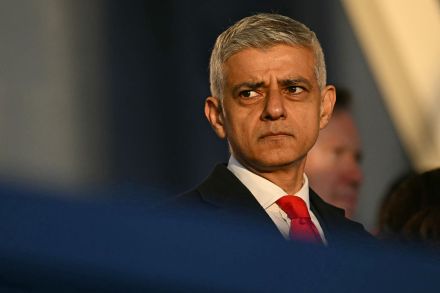
London Mayor Sir Sadiq Khan has called for possession of small amounts of cannabis to be decriminalised following a report by the London Drugs Commission. The report has made 42 recommendations, which include removing natural cannabis from the Misuse of Drugs Act. Former cabinet minister, now Labour peer, Charlie Falconer and Tory MP Dr Neil Shastri-Hurst join Lucy Dunn to discuss whether now is the time to decriminalise cannabis. For Lord Falconer, who chaired the Commission, the present law doesn’t work and he explains the principles behind the review; Neil, however, believes that the proposals send the wrong message that cannabis is harmless.

Can Scotland learn to love Farage?

From our UK edition

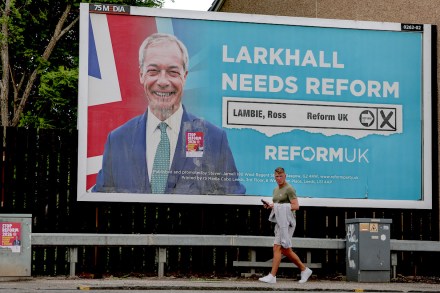
There’s not much that’s green in Larkhall, Scotland. So staunchly Protestant unionist is the ex-mining town in South Lanarkshire that it has scrubbed itself of anything associated with Irish Catholicism. The local Subway franchise has grey panelling on its front, and local pharmacies have opted for blue signage. The 15,000-strong area has one football team: Rangers FC. Go deeper into Larkhall’s suburbia and you’ll find Union Jacks on flagpoles interspersed with those bearing the Red Hand of Ulster. Kerbstones have been painted in the colours of the British flag while rumours abound of youths trying to set fire to the grass. ‘In our schools, the wains aren’t taught that traffic lights are red, amber and green,’ one resident chuckled proudly. ‘It’s red, white and blue.

Thomas Kerr: Reform will reform Holyrood

From our UK edition

Thomas Kerr made headlines when he – as The Spectator exclusively revealed – defected from the Conservatives to Nigel Farage’s Reform in January. Kerr was seen as a rising star in the Scottish Conservative party and was selected in 2023 to contest the Rutherglen and Hamilton West Westminster by-election after the SNP’s Margaret Ferrier was suspended over breaking Covid rules. He was unsuccessful but rose through the ranks to become the Tory leader on Glasgow City Council before he left for more turquoise pastures at Reform.

Can Reform conquer Scotland?

From our UK edition

23 min listen

Dissatisfaction with the established political parties is driving a ‘tartan bounce’ in Scotland for Nigel Farage’s Reform UK. Far from being an English phenomenon, Reform is polling favourably with Scottish voters. There will be a by-election next week for the Scottish Parliament seat of Hamilton, in what will be Reform’s first big test inside the politics of devolved government.  For councillor Thomas Kerr, who defected from the Scottish Conservatives to Reform earlier this year, Reform’s appeal in Scotland is no surprise. He joins Lucy Dunn to explain why he thinks the ‘sky is the limit’ for Reform, why Farage is an asset to the party in Scotland and to explain Reform’s current views around devolution powers. Produced by Patrick Gibbons.

Live by the rule of law, die by the rule of law

From our UK edition

11 min listen

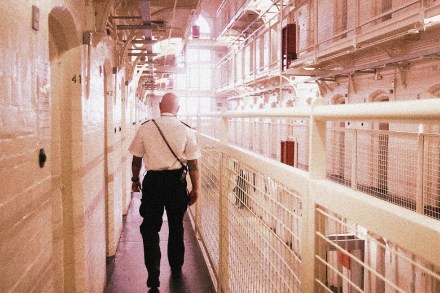
The Independent Sentencing Review chaired by former Lord Chancellor David Gauke has today announced its suggested reforms which sees a major shift from imprisonment to community-led sentencing. Measures include the recommendation that convicted criminals leave prisons after serving around one-third of their sentence, that short prison sentences of up to 12 months are drastically reduced and – the attention grabbing – expansion of chemical castration for paedophiles. What are the political ramifications of these policies, and will they work?  Danny Shaw, former advisor to Home Secretary Yvette Cooper, and James Heale discuss with Lucy Dunn.