Lloyd Evans

Lloyd Evans

Lloyd Evans is The Spectator's sketch-writer and theatre critic

Curing amnesia

From our UK edition

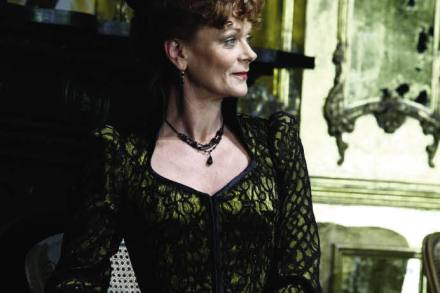
As Iraq fades from view so does our outrage at the crimes it provoked. Three monologues by Judith Thompson may cure our amnesia. Forgetting atrocities is an essential preliminary to repeating them. We meet a girl soldier (based on Lynndie England although not identified as her), who faces trial for brutalising prisoners at Abu Ghraib. At school she was a bullied bully, an opportunistic sadist who instigated attacks on others as a survival mechanism. Once she invited a girl with a false leg to a house-party where a gang removed the prosthetic limb, cut it to pieces, and jeeringly ordered the girl to crawl home. At Abu Ghraib, this self-defence technique serves her again, and she strives to impress the male soldiers by devising pantomime humiliations.

Cheating on the students

From our UK edition

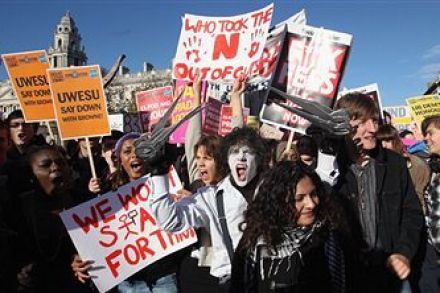
Writhe, squirm, cringe and cower. The Commons wanted to inflict ritual punishments on Nick Clegg today for his broken pledges on student fees. The plan nearly succeeded. With Cameron in China, (finding out what happened to our manufacturing base), Clegg took his place at the dispatch box opposite Harriet Harman.    Long practice has given Harman some skill, and even self-possession, at the dispatch box. She had an exceptionally easy target today. As she stood up to give Slick Nick a roasting, the streets around parliament were swelling with angry university-goers waving photos of Clegg signing his fateful election pledge on fees. The LibDem manifesto was being burned in public. Yellow election placards were being trampelled and spat on.

The Spectator defence debate

From our UK edition

Just a few hours after the publication of the strategic defence and security review, two crack teams of speakers clashed over the future of the armed forces at a Spectator debate sponsored by Brewin Dolphin. The novelist and military historian Brigadier Allan Mallinson proposed the motion — ‘The army, navy and air force are so 20th-century. Scrap them and have a massive British Marine Corps’ — with a heavy heart. ‘I love the armed forces,’ he said. ‘I watch the “Battle of Britain” with tears in my eyes.’ But the trinitarian approach had failed. He imagined a new combined force under the command of an army general.

Act of vision

From our UK edition

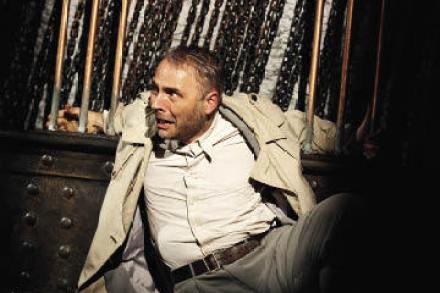
A wretched, stinking, mouldy, crumbling slice of old Glasgae toon has dropped on to the Lyttelton stage. Ena Lamont Stewart’s play, Men Should Weep, is an enthralling act of homage to her slum childhood and it follows the travails of the Morrison family, all nine of them, wedged into two filthy rooms in Glasgow’s east end. A wretched, stinking, mouldy, crumbling slice of old Glasgae toon has dropped on to the Lyttelton stage. Ena Lamont Stewart’s play, Men Should Weep, is an enthralling act of homage to her slum childhood and it follows the travails of the Morrison family, all nine of them, wedged into two filthy rooms in Glasgow’s east end. The play takes a while to ensnare your loyalty. The first act is a slack and linear piece of documentary reportage.

Music hall act fails to cut it next to suave Etonian

From our UK edition

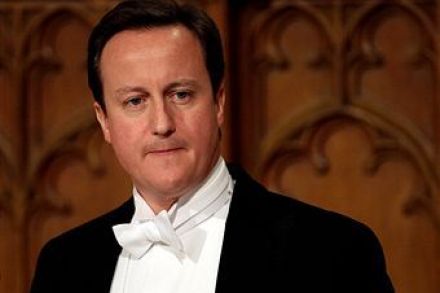
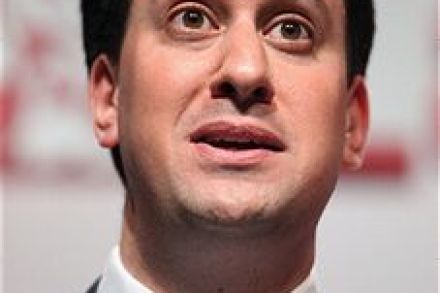
Miliband’s in a mess. He makes it far too easy for Cameron to portray him as a hypocritical opportunist who sidles up to PMQs every week with lame soundbites and incoherent policies. How come? Perhaps because he sidles up to PMQs every week with lame soundbites and incoherent policies. Today he tried to unsettle the PM with the news that ‘members of his government’ (ie LibDems) ‘have given cast-iron guarantees that they would vote against a rise in tuition fees.’ This isn’t a Cameron problem. It’s a Clegg problem. Right issue, wrong tactics. Cameron had no difficulty adopting a noble but weary expression and praising his coalition partners for taking ‘courageous decisions’ in ‘difficult’ circumstances.

Family at war

From our UK edition

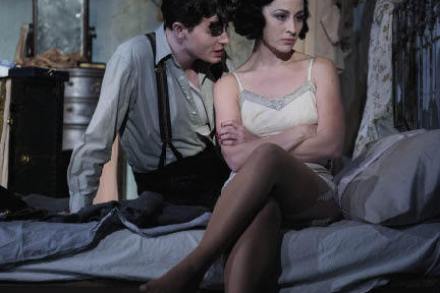
I couldn’t wait for this one. Nina Raine’s debut play Rabbit was a blast. With exquisite scalpel-work she dissected the romantic entanglements of a quartet of posh young professionals. Her new effort, Tribes, opens on similar terrain. A family of bourgeois Londoners are seated around the dinner table punishing each other with rhetorical flick-knives. Dad and Mum are writers. Ruth is a jobless soprano. Dan is wasting his youth smoking skunk and writing an impenetrable thesis on linguistics. I couldn’t wait for this one. Nina Raine’s debut play Rabbit was a blast. With exquisite scalpel-work she dissected the romantic entanglements of a quartet of posh young professionals. Her new effort, Tribes, opens on similar terrain.

Weak, weak, weak

From our UK edition

Weak again. For the second session in a row Miliband was feeble at PMQs. He opened in his quiet-assassin mode with a quickie question. ‘There are reports that the government is planning changes to housing benefit reforms. Are they?’ Clearly he meant to wrong-foot Cameron by tempting him into admission which could be instantly disproved. But Cameron simply denied the suggestion and Miliband had no embarrassing disclosure to fire back with. Pretty duff tactics there. He fared slightly better when he asked Cameron what advice he’d give to a family facing a 10 percent cut in housing benefit after the chief bread-winner had been unemployed for a year. Cameron replied that unlimited benefits ‘are a serious disincentive to work.

WEB EXCLUSIVE: Review of Spectator defence debate

From our UK edition

‘The army, navy and air force are so 20th century. Scrap them and have a massive British Marine Corps.’ Just a few hours after the publication of the Strategic Defence and Security Review, two crack teams of speakers clashed over the future of the armed forces at the Spectator debate. Brigadier Allan Mallinson, the novelist and military historian, proposed the motion with a heavy heart. ‘I love the armed forces,’ he confessed. ‘I watch the “Battle of Britain” with tears in my eyes.’ But the trinitarian approach had failed. He imagined a new combined force under the command of an army general.

Greek myth

From our UK edition

Thank God for the critics. All failings can be laid at their door. Robert Lindsay appeared on a telly sofa last week to repudiate the shirtier reviews of Onassis. ‘It’s not a critic play,’ he said. And I wondered if ‘critic’ had changed grammatical species and become an adjective meaning ‘good’. The show has its moments but the script is devoid of dramatic intelligence. Proper plays open with a dilemma that enlists the audience’s sympathies, unifies the action and creates suspense. Plenty of options were available to playwright Martin Sherman. Would Onassis succeed in replacing Maria Callas with Jackie Kennedy? Would he destroy his son Alexander’s romance with an ageing English divorcee?

Spectator Debate: ‘Taxpayers’ money should not fund faith schools

From our UK edition

Ninja Turtles were the first witnesses at last week’s Spectator debate. Ninja Turtles were the first witnesses at last week’s Spectator debate. Proposing the motion ‘Taxpayers’ money should not fund faith schools’, the Sunday Times columnist Minette Marrin said that the child of a friend had been denounced as ‘satanic’ at his Christian school for wearing Ninja-branded pyjamas. Religious schools, she went on, led to ghettoisation and contempt for the host culture. Three Islamic schools in the UK require girls to wear the full veil, and they boast that they ‘oppose the lifestyle of the West’. Cristina Odone, former editor of the Catholic Herald, trumpeted the success of faith schools.

Cameron’s warm-up act for Boy George

From our UK edition

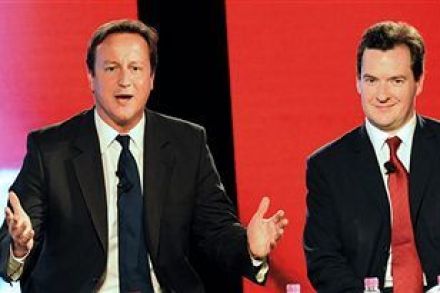
Cameron was a mere warm-up man at PMQs today. With Osborne’s statement due at 12.30 the session felt like a friendly knock-up rather than the main fixture. Ed Miliband rose to thunderous cheers from his backbenches and he tried to capitalise on their support by opening up an ancient Tory wound – heartless attitudes to unemployment. Spotting Cameron chinwagging with Osborne instead of listening, Miliband chided the PM for not paying attention. ‘Well, it’s a novel concept,’ said Dave smoothly ‘but in this government the prime minister and the chancellor speak to each other.’   Ed’s problem was that the OBR has predicted rising employment for the next three years. Bad news for the opposition leader.

WEB EXCLUSIVE: Review of Spectator Faith Schools Debate

From our UK edition

'Taxpayers’ money should not fund faith schools' Ninja Turtles were the first witnesses at the Spectator debate. The motion ‘Taxpayers’ Money Should Not Fund Faith Schools’ was proposed by Sunday Times columnist Minette Marrin. She evoked the green cartoon reptiles as proof that faith schools are discriminatory and irrational. The child of a friend had been denounced as ‘satanic’ at his Christian school for wearing Ninja-branded pyjamas. Religious schools, she went on, are not only divisive, they lead to ghettoisation and contempt for the host culture. Three Islamic schools in the UK require girls to wear the full veil, and they boast openly that they ‘oppose the lifestyle of the West’.

Bourgeois frippery

From our UK edition

Regime change at Hampstead Theatre. The era of special measures is over and Ed Hall, son of Sir Peter, has taken charge. Hall’s debut show is daring in its complete lack of audacity. Regime change at Hampstead Theatre. The era of special measures is over and Ed Hall, son of Sir Peter, has taken charge. Hall’s debut show is daring in its complete lack of audacity. Shelagh Stephenson’s new play Enlightenment is the sort of bourgeois frippery we were used to yawning through under the previous administration. We’re in a posh house in Angstead Garden Suburb where two yuppie liberals are struggling to cope with the disappearance of their gap-year son in south-east Asia. Mum consults a psychic. Dad invites a TV producer to make a shock-doc highlighting their plight.

Innocent mischief

From our UK edition

He’s been taking aim for two decades. Now Craig Brown presents his greatest hits. He’s been taking aim for two decades. Now Craig Brown presents his greatest hits. The best of his fortnightly spoofs in Private Eye, supplemented by new entries from historical characters, have been loosely sorted into an imaginary calendar. Everyone has their favourite Brown character. Mine is Heather Mills McCartney, whose self-righteous truculence he captures perfectly, while encouraging her to indulge her gift for fantasy. She reacts to a documentary about Florence Nightingale and blames the press for peddling lies: They try and make out she’s only in it for the publicity.

Cameron’s cruise uninterrupted by Miliband’s confident start

From our UK edition

You could write a book about that. The first ever Dave vs Ed Miliband fixture at PMQs was a fascinating joust between two smart, skilful and ruthlessly ambitious public men who have been groomed for power, in their different ways, from the cradle. Four decades of arduous preparation led to this tumultuous match. Ed Miliband opened in funereal tones and offered ritual homages to the dead of Afghanistan. Then in his modest bank-manager’s manner he pledged to support government reform to sickness benefits. But not, he added ominously, to child benefit cuts. How many families with one stay-home parent would suffer from the forthcoming cuts, he asked. Cameron couldn’t answer with an integer. He gave a percentage. Those who pay the higher tax-rate would be affected.

Arts debate: ‘Brutal and vulgar’

From our UK edition

From the start, the combatively worded motion — ‘Time for the arts to stand on its own two feet and stop sponging off the tax-payer’ — came under attack in the Spectator arts debate at Church House last month. From the start, the combatively worded motion — ‘Time for the arts to stand on its own two feet and stop sponging off the tax-payer’ — came under attack in the Spectator arts debate at Church House last month. Speaking for the motion were Nigel Farage MEP, Tiffany Jenkins and Marc Sidwell; against were Ben Bradshaw MP, Matthew Taylor and the Culture Secretary Ed Vaizey, who called it ‘brutal, vulgar, left-wing, and hostile to excellence and quality’.

Short and sweet | 9 October 2010

From our UK edition

Who’s my favourite stage actress? Since you ask, Olivia Williams in Shakespeare and Nancy Carroll in anything. Who’s my favourite stage actress? Since you ask, Olivia Williams in Shakespeare and Nancy Carroll in anything. Currently, she’s starring in the weirdest show I’ve ever seen at the Almeida in Islington. Weird because it’s so predictable. The Almeida likes to attract the purists rather than the tourists and it seeks out half-forgotten masterpieces or wacky new experiments. If you want Carpathian tragedy or biblical mock-epic or Inuit slapstick, then the Almeida’s the place to look. A stage version of a David Mamet movie is positively abnormal by its standards.

Coalition wear and tear

From our UK edition

Let’s talk about Tucker. The Beeb’s mockumentary The Thick of It has been hailed as a brilliantly incisive glimpse into the corridors of power, and its diabolical protagonist, the scheming spin-merchant Malcolm Tucker, is regarded as a hilarious portrait of a modern political propagandist. That’s one view, anyway. Maybe I’ve got a blind spot. Maybe my sense of humour’s gone missing. Maybe I romanticise the ideals of public service because my mum and dad worked in Whitehall, but I’ve never understood the praise heaped on this cruel and distorted fantasy. It’s possible to overlook the relentless swearing, the vapid characterisation and the ever-predictable storylines.

Choppers for whoppers

From our UK edition

Pakistan. Big problem. Burning issue. Put it on stage so we can find out how we got here. J.T. Rogers’s new play opens in 1981 just after the Soviet invasion of Afghanistan. A young CIA officer, with the exotic and suggestive name of Jim, sets off for the badlands of Waziristan to offer his support to anyone in a headscarf who wants to kill anyone with a red star on his helmet. He strikes up a mutually exploitative relationship with some mountain-dwelling shepherds. He’ll give them military hardware, they’ll give him information (much of it unreliable). Choppers for whoppers. If this sounds crushingly predictable, then don’t slash your wrists just yet because there’s a joke coming. Here it is. The uncouth Muslim rustics love The Eagles.

From the trenches to the stalls

From our UK edition

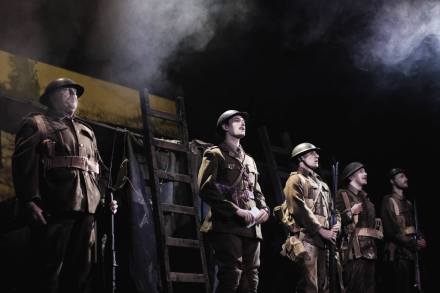
The writer Sebastian Faulks exudes a sense of calm accomplishment. But even he seems tense about the stage adaptation of his bestselling novel Birdsong 'I'm not excited. I don't do excitement,' says Sebastian Faulks. Which is probably just as well. Four years have elapsed since the project he's currently involved with, a dramatisation of his bestselling novel Birdsong, was first suggested to him by the playwright Rachel Wagstaff. I meet them both in Faulks's Holland Park flat, where he writes every day on a huge Apple Mac overlooked by miniature portraits of two deceased colleagues. A picture of Dickens, which belonged to his mother, hangs on the wall beside a relief of Tolstoy reproduced on what looks like the bottom of an ashtray. 'From his house in Moscow,' Faulks explains.