Katy Balls

Katy Balls

Katy Balls is The Spectator’s former political editor.

Boris Johnson’s optimistic coronavirus press conference

From our UK edition

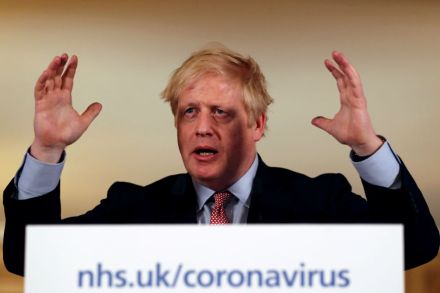
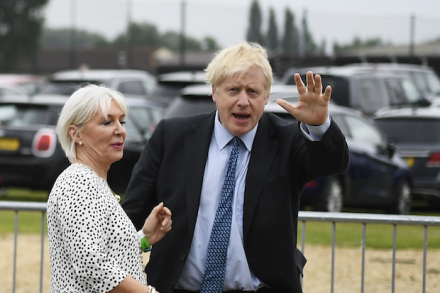
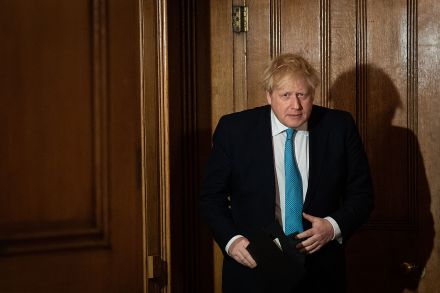
Boris Johnson struck an optimistic note in his fourth press conference of the week. The Prime Minister attempted to answer the question of how long Brits ought to expect to have to change their lifestyle in order to prevent the spread of coronavirus. Johnson said that he believed the UK could 'turn the tide' on the disease within 12 weeks:'I think we can turn the tide in the next 12 weeks, but it depends on collective, resolute action. The encouraging thing is the more disciplined we can all be in doing that, the greater the chances the scientific community will be able soon to come up with fantastic results on testing to say nothing of the other medical treatments.
The unanswerable question on coronavirus

From our UK edition

13 min listen

The government today announced that schools will be closed come this Friday. Boris Johnson wasn't able to answer when they will resume, but James Forsyth says in today's Coffee House Shots podcast that this is only the beginning of stricter social measures, some of which could become compulsory in the not distant future. Rumours abound today that London is days away from a city-wide lockdown, and on the podcast, James points out that Boris Johnson could be considering this even though it is against his liberal political instincts. Anyone watching Prime Minister's Questions today will be in no doubt that we are living in extraordinary times. The normally packed chamber was sparse, as only MPs who had questions were allowed in.

Theresa May asks the unanswerable question on Covid-19 at PMQs

From our UK edition

Prime Minister's Questions offered a stark reminder of the situation the UK is in. As a result of coronavirus safety fears, the weekly event was drastically pared down. MPs were only allowed in the Commons Chamber if they were on the order paper – along with the front bench for the Tories and Labour. Those who made it into the Chamber sat far apart. Jeremy Corbyn used what could be his final turn at the despatch box as Labour leader (pending a decision on early recess) to press the Prime Minister on financial measures for the vulnerable and raise concern over the limited testing of NHS staff for Covid-19.

The Sunak stimulus

From our UK edition

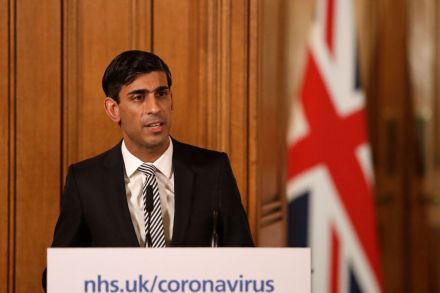
Boris Johnson used his daily coronavirus press conference to respond to the economic emergency the country is increasingly finding itself in. Accompanied by his Chancellor Rishi Sunak and chief scientific adviser Sir Patrick Vallance, the Prime Minister said that he was aware the virus would severely impact the economy and that the government was focussed on mitigating this. In light of this, Johnson said: 'We must act as a wartime government and do anything it takes it takes to support our economy'. In a bid to do just this, Sunak unveiled an economic package of business loans worth over £330 billion.

The new thinking behind the government’s coronavirus approach

From our UK edition

As the British public adjust to new social distancing measures, a common question: how long will this last? At the press conference on Monday, Chief Medical Officer Chris Whitty was keen to stress that the government measures to tackle the coronavirus resemble a 'marathon not a sprint'. While the elderly have been told they could need to self-isolate at least for three months, increasingly the view in government is that the coronavirus response will go on much longer. The government's initial strategy was to mitigate the virus and allow for a controlled peak of the virus in the summer – around June – and in the build up cocoon vulnerable sections of society so as to reduce fatalities.

Matt Hancock attempts to set record straight on ‘herd immunity’

From our UK edition

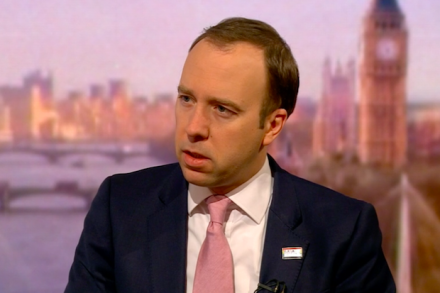
After a weekend of opposition party criticism and anonymous briefings over the government's coronavirus strategy, Matt Hancock appeared on the Andrew Marr show in a bid to set the record straight. With the number of UK fatalities now at 21, the Health Secretary attempted to reassure members of the public that the government was doing everything in its power to protect life. Key to this was an effort to distance the government from reports that they are pursuing herd immunity.

Oil wars: is this the real threat to the world economy?

From our UK edition

36 min listen

This week kicked off with an incredible fall in oil prices globally, so what on earth happened (00:50)? We also talk about the Budget, where Rishi Sunak set out in more detail how the government's 'levelling up' agenda will look (10:20). Finally, should we be doing more science research for curiosity's sake (23:05)?

Electoral Commission calls for cancellation of local elections – what next?

From our UK edition

After the World Health Organisation labelled the coronavirus outbreak a pandemic, countries across the globe have been responding with varying strategies. A common theme in every country, however, is the cancellation of events. This afternoon the Electoral Commission recommended that the UK government postpones the May elections until the autumn: 'The risks to delivery that have been identified are such that we cannot be confident that voters will be able to participate in the polls safely and confidently.' As James reported in the Sun on Saturday, this option has been discussed in Whitehall.

What Nadine Dorries’ coronavirus diagnosis means for parliament

From our UK edition

Westminster is abuzz this morning not with anticipation for Rishi Sunak's first Budget but over the news that Nadine Dorries has become the first UK politician to contract the coronavirus. The health minister began to feel unwell at the end of last week before showing symptoms relating to the coronavirus – dry cough, high fever and chest pains – at the weekend. She has since tested positive for the disease and self-isolated. However, before doing so, Dorries was in contact with hundreds of people including fellow politicians at a No. 10 reception the Prime Minister hosted on Thursday, health officials and constituents in a surgery on Saturday.

Tories rebel over Huawei – meet the new ‘awkward squad’

From our UK edition

This afternoon Boris Johnson came close to losing a Commons vote for the first time since the election. Over 30 Tory MPs broke a three-line whip in order to protest over the government's decision to allow the Chinese company Huawei to be involved in the UK's 5G network. The government saw off the rebellion by Tory MPs over an amendment calling for Huawei to be removed from the 5G network in two years time if it is still deemed 'high risk’ by British cybersecurity experts by 306 votes to 282. This means that the government's working majority of 87 was cut to 24. The rebellion was spearheaded by Iain Duncan Smith who was backed by Damian Green, David Davis, Owen Paterson, Tom Tugendhat and Bob Seely.

Budget to be dominated by coronavirus as Sunak promises extra NHS funding

From our UK edition

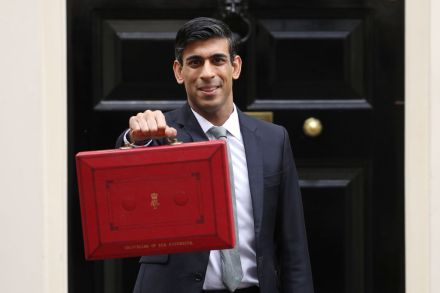
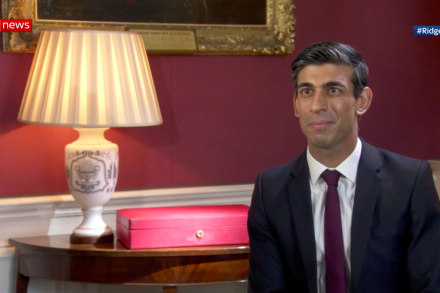
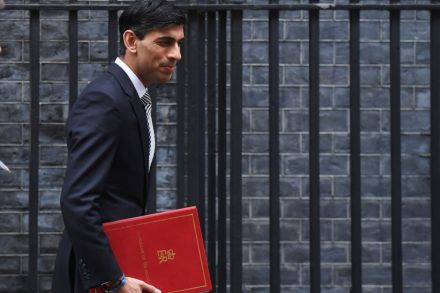
If there was any doubt still remaining that Rishi Sunak's first Budget will be dominated by the coronavirus, the Chancellor's Sunday media round ought to have put that to bed. With three days to go until the government’s first big fiscal event since winning an 80-seat majority, Sunak has been touring the broadcast studios of Sky and the BBC to trail the contents of his red box. Speaking to Andrew Marr, Sunak was clear that the priority of the Budget would be making sure that both members of the public and businesses receive the support they need to respond to the virus in the coming weeks and months: I can say absolutely categorically the NHS will get whatever resources it needs to get us through this and to respond to the health crisis ...