James Forsyth

James Forsyth

James Forsyth is former political editor of The Spectator.

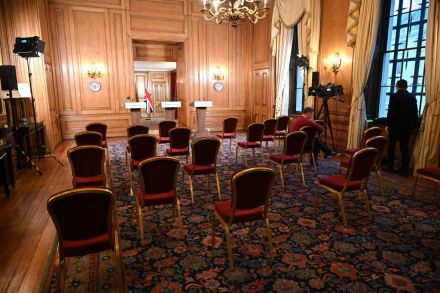
Will No 10’s press briefing shake-up really deliver more transparency?

From our UK edition

13 min listen

Downing St has announced that it will be televising its afternoon lobby press briefing, come October. Inspired by the daily coronavirus briefings, it's a shake-up that supporters say could improve transparency. On the podcast, Katy Balls speaks to former No 10 comms chief Craig Oliver, James Forsyth and Fraser Nelson. They also take a punt at which experienced broadcaster may be brought in to deliver the briefing.
The looming Tory trade debate

From our UK edition

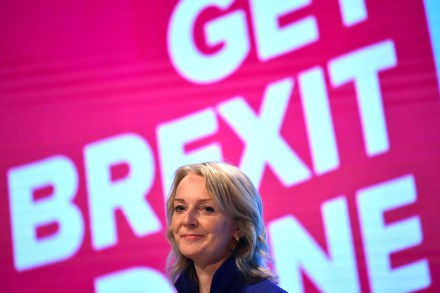
Post-Brexit, the UK needs to find allies on trade liberalisation. One obvious place to look is the Trans-Pacific Trade Partnership. The UK is keen to join this group of 11 countries, as Liz Truss reiterated at a Policy Exchange event this afternoon. The Singaporean trade minister emphasised how keen he would be to see the UK join, and how this would send a message about the role that the UK wishes to play in the world post-Brexit.  Interestingly, he also warned that the government needs to prepare domestic businesses for the change this would bring to prevent any anti-trade backlash.

Will Super Saturday prove a washout?

From our UK edition

12 min listen

One day to go until 'Super Saturday', when pubs and restaurants in England (except Leicester) will reopen. But polls show that only a small minority of Brits will go back to the pubs. Katy Balls talks to James Forsyth and Fraser Nelson about what this would mean for post-pandemic recovery.

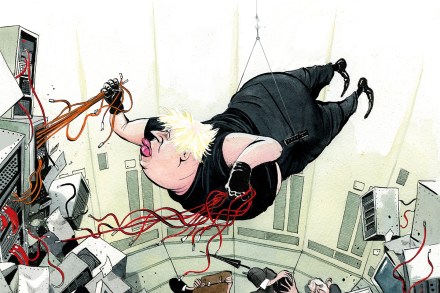
Mission Impossible: can Boris Johnson rewire the British government?

From our UK edition

39 min listen

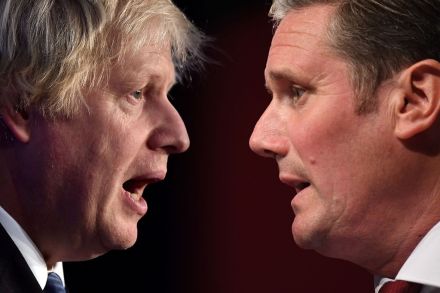
The Prime Minister is trying to reform the civil service. He's not the first to try - so will he succeed? (00:50) The stakes for success are high, as his opponent is no longer Jeremy Corbyn, but the more impressive Keir Starmer. How have Starmer's first almost 100 days gone? (15:45) And last, how widespread is loneliness? (29:45)With the Spectator's political editor James Forsyth; Jill Rutter from UK In a Changing Europe; our deputy political editor Katy Balls; former C4 Economics Editor Paul Mason; author Leaf Arbuthnot; and Andy Nazer from the Campaign to End Loneliness.Presented by Cindy Yu.

How schools will look after the pandemic

From our UK edition

14 min listen

The government has set out its guidelines for how schools will look come September. Attendance will be compulsory, and even Labour is on board. Cindy Yu talks to James Forsyth and Katy Balls about the new world of schooling. Also on the podcast: why the Frost-Barnier meeting broke up a day early and Scotland's lockdown easing.

Will Boris’s Whitehall shake-up really work?

From our UK edition

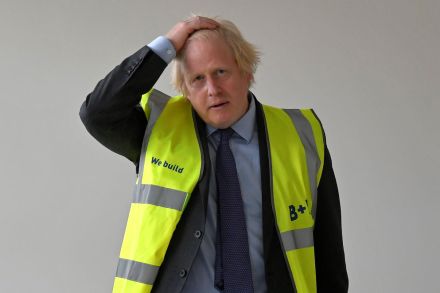
There is a paradox at the heart of Boris Johnson’s political project, I say in the magazine this week. He is frank, brutal even, about the failings of government but he is pinning his hopes on government so solve this country’s economic problems. This means that his future is dependent on his ability to make government work better. The departure of Sir Mark Sedwill as cabinet secretary and national security adviser presages Johnson’s effort to change Whitehall. There will be limits to this revolution: Sedwill’s replacement will be a current or former permanent secretary; the first civil service commissioner Ian Watmore insisted on that.

Mission impossible: Boris’s attempt to rewire the British government

From our UK edition

It’s never a good sign when a government relaunches itself. Look what happened at the end of Theresa May’s time in power — there was a relaunch almost every other week, each one with diminishing effect. But although it has been over-hyped, Boris Johnson’s attempt to start again isn’t a mere re-branding exercise. It is not just about rehashing policy proposals but about trying to tackle the dysfunction at the heart of the state. The PM is attempting to do something past leaders have thought to be an impossible job: to rewire the whole system. Johnson has time on his side — four years to get things back on track — and a Commons majority.

Should the government go further on Hong Kong?

From our UK edition

17 min listen

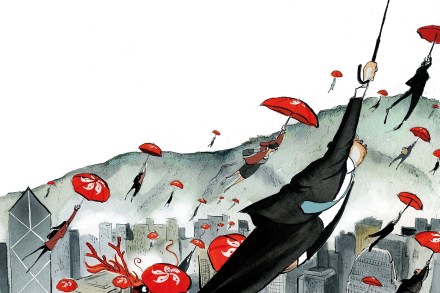
China's new national security law has been passed in Hong Kong, and from this morning it has been implemented as handfuls of protestors have already been arrested under its new wide-ranging powers. Dominic Raab has pledged to speed up the process to offer British residency for Hong Kong's BNO passport holders and their dependents. Cindy Yu talks to James Forsyth and Katy Balls about whether or not the government should go even further. Also on the podcast: the local lockdown in Leicester and Keir Starmer's new strategy.

Brits want a tougher line on China

From our UK edition

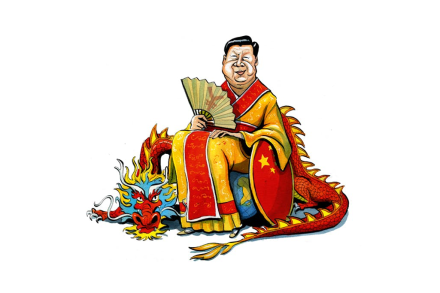
The scenes in Hong Kong are hugely depressing. The authorities are already using the new Beijing-imposed national security law to clamp down on dissent. The UK now has a moral duty to offer what help it can to those holders of British National Overseas passports. What is happening in Hong Kong reinforces the need for the UK to become less dependent on China. The government is beginning to take steps to do that, as I revealed back in May.  But a new poll for the China Research Group shows that the public is already there. Some 72 per cent of voters are prepared to pay more for medical and telecoms equipment if that leads to greater national resilience.

What’s so new in Boris’s ‘New Deal’?

From our UK edition

15 min listen

The country is facing a post-pandemic recession that will leave millions unemployed and businesses bankrupted, so despite all the noise, is Boris's 'New Deal' tackling the right problems? Our Economics Correspondent Kate Andrews joins the podcast today, and tells James Forsyth and Katy Balls why she thinks today's announcement was little more than rehashing of the Conservatives' pre-coronavirus manifesto.

What happens if the Leicester lockdown fails?

From our UK edition

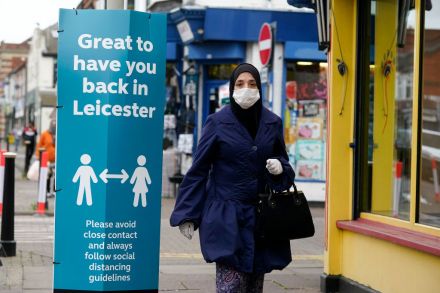
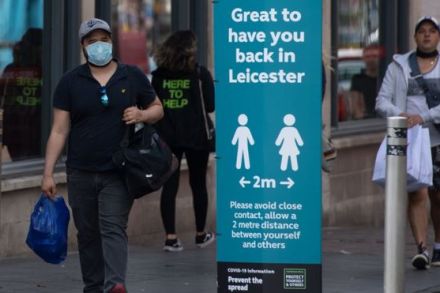
The government’s decision to lock Leicester down, closing all non-essential retail from today and schools from Thursday for all but the kids of key workers and vulnerable children, is a hugely significant moment. The government’s whole Covid-strategy relies on replacing the sledgehammer of a national lockdown with far more targeted local interventions. Leicester will be the test of whether those interventions can prevent the virus from going regional and then national when there’s already transmission of it in the community. (The successful effort in Weston-super-Mare was about stopping an outbreak spreading from a hospital into the community).

Will the ‘whack-a-mole’ approach of local lockdowns work?

From our UK edition

16 min listen

Leicester is set to lock down locally. It's an approach that the Prime Minister has dubbed 'whack-a-mole', referring to clampdowns on local clusters that will inevitably arise in the coming months. All eyes are on Leicester's experience now as it signals whether or not the national lockdown is a thing of the past. Katy Balls talks to James Forsyth and Fraser Nelson. Also on the podcast: the government's schools funding and socially distanced weddings.

What Sedwill’s departure means for No 10’s civil service reform

From our UK edition

14 min listen

The Cabinet Secretary Mark Sedwill has announced that he will be stepping down in September, though his resignation letter suggests that it wasn't necessarily his decision. This move comes as Michael Gove makes a wide-ranging speech on reform of the civil service. The government looks to be gearing up its Whitehall reform, and on the podcast, Cindy Yu talks to James Forsyth and Katy Balls about how these events are all linked.

Has Keir Starmer upset Labour’s fragile unity?

From our UK edition

13 min listen

Throughout the leadership contest, Keir Starmer was careful not to upset the delicate balance between the hard left and the moderates in the party. But with the sacking of Rebecca Long Bailey, he has risked the wrath of the Corbynites and unambiguously moved the party on from the era of Corbyn. Has he triggered a new Labour civil war? Katy Balls talks to James Forsyth and the New Statesman's Stephen Bush.

The government’s dilemma on reopening

From our UK edition

14 min listen

The government wants the country to head back out and boost the economy, but scenes at Bournemouth beach and elsewhere reflect the government's dilemma - how much reopening is enough to keep the economy afloat, but without triggering a second wave of infections? John Connolly speaks to Katy Balls and James Forsyth.

The thin blue line: why are relations between police and black youths just so bad?

From our UK edition

45 min listen

On the podcast this week, a former police officer gives his take on why black youths loathe the police (01:05); we discuss why Downing Street would prefer Joe Biden to win (17:25); and will anything really change after the pandemic? (30:50).With former Surrey Police and Crime Commissioner Kevin Hurley; campaigner Katrina Ffrench; the Spectator's Political Editor James Forsyth; the Spectator's Economics Correspondent Kate Andrews; and our columnists Matthew Parris and Rory Sutherland.Presented by Cindy Yu.

Will Long Bailey’s sacking trigger a Corbynite backlash?

From our UK edition

11 min listen

After retweeting an interview with Maxine Peake in which the actress voiced an anti-Semitic conspiracy theory, Rebecca Long Bailey has been sacked as the shadow education secretary. On the podcast, Cindy Yu talks to James Forsyth and Katy Balls about whether or not this will trigger a Corbynite backlash.

Why Biden might be a better ally for Brexit Britain than Trump

From our UK edition

Who should Brexit Britain want to win the US presidential election? Donald Trump has been rhetorically pro-Brexit. He has broken decisively with US foreign policy orthodoxy, which has long assumed that more European integration is inherently a good thing. But his words of support have delivered little in terms of practical assistance for Brexit Britain, I say in the magazine this week, Trump might have decried Barack Obama’s ‘back of the queue’ comment but his own trade representative admitted recently that no US-UK trade deal will be ready before the presidential election in November. Trump has been a difficult ally, alienating other democracies, undercutting America’s moral leadership in the world and generating considerable uncertainty.

Why Biden might be better for Brexit Britain

From our UK edition

At the best of times, US presidential elections require the British government to walk a tightrope. In 1992, a Tory prime minister got this very wrong. John Major’s excessive support for George Bush Sr’s unsuccessful re-election effort alienated Bill Clinton. The damage to the UK’s relationship with the country’s most important security partner was only fully repaired when Tony Blair became prime minister in 1997.