Helen Nugent

House prices, BHS, motor insurance and spending

From our UK edition

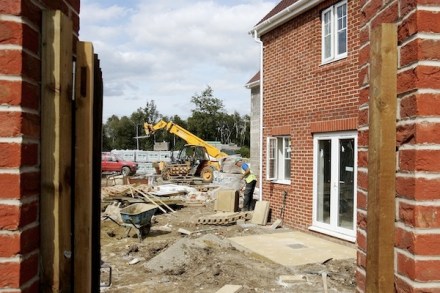
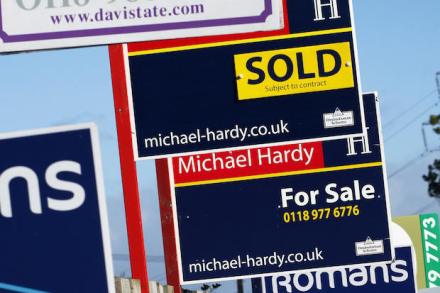
House prices moved up a gear in February, according to Nationwide, with property values increasing by 4.5 per cent in a year. The BBC reports on the building society's latest house price index which also reveals that property prices were up by 0.6 per cent compared with the previous month, bringing the cost of the average home to £205,846. Both the monthly and annual rise are greater than in January, but the Nationwide does not expect house prices to rocket. It is forecasting a 2 per cent rise in UK house prices over the course of 2017.
PPI, pensions, travel insurance and BT

From our UK edition

The Financial Ombudsman Service has revealed that unresolved grievances about the mis-selling of payment protection insurance (PPI) still dominate its workload. According to the BBC, the organisation received 150,000 new complaints in the six months to December 2016. Just over half of them - 78,000 - were about PPI policies. Chief ombudsman Caroline Wayman said: 'PPI complaints are down, but there are some suggestions that this could be the calm before the storm.' Meanwhile, the list of most-complained about businesses to the ombudsman is still dominated by the UK's high street banks, and a number of credit card lenders. Top of the list in the last half of 2016 was Bank of Scotland, part of the Lloyds banking group, with nearly 20,000 new complaints.

RBS, John Lewis, housing and motorists

From our UK edition

Royal Bank of Scotland dominates the business news this morning following its announcement of a £7 billion annual loss. According to the BBC, the deficit is more than treble 2015's loss of £2 billion. It is the ninth year in a row RBS has failed to make a profit. Over the next four years, the taxpayer-backed bank plans to slash costs by £2 billion - this will inevitably mean job losses and more branch closures. Chief executive Ross McEwan told the Today programme that he would not be stepping down and was committed to seeing through the bank's turnaround. 'I do a bit of cycling and when you're out there with the wind in your face its very hard. At some point in time you turn the corner and you have the wind at your back.

Business rates, Barclays, mortgages and Centrica

From our UK edition

The row over a sharp rise in business rates rumbles on - but now the government has bowed to sustained pressure and announced help for small firms. The Guardian reports that Philip Hammond will announce new measures in the budget on 8 March following comments by the communities secretary that more should be done 'to level the playing field'. At Prime Minister's questions yesterday, Theresa May said that small businesses left with the highest rate increases would be given help. Stamp duty The Times reports that 'sharp increases in the stamp duty on expensive homes are costing the Treasury as much as £500 million a year'. According to new analysis by Paul Nash, a partner at PwC, the tax take from homes worth more than £1.

Lloyds, investment, compensation and housing

From our UK edition

Lloyds Banking Group has set aside a further £475 million for misconduct costs as the bank's statutory profits more than doubled to £4.2 billion. The Times reports on results that Lloyds called a 'good overall performance'. Its profits are the highest for a decade and shares in the bank rose by 4 per cent after the announcement. The bank, in which taxpayers own a stake of just under 5 per cent, also unveiled an 11 per cent rise in total dividends to £2.2 billion and the same percentage increase in staff bonuses to £393 million. Underlying profits fell from £8.1 billion to £7.9 billion.

Pensions, fuel, HSBC and pay gap

From our UK edition

There's some bad news for employees with generous company pensions following the publication of a government green paper on the future of Defined Benefit (DB) pensions. The Guardian reports that, under the proposals, firms could cut pension promises to 11 million people, dramatically reducing their income in retirement. The plans are likely to face fierce opposition from unions given they would permit companies to save £90 billion by providing annual increases in their retired employees’ pensions based on the consumer price index, rather than the retail price index. Analysis by Hargreaves Lansdown suggests that for every £1,000 in pension income in 1988, under RPI it had increased to £2,586 this year, but only £2,105 under CPI.

Cuts, Bovis, housing and loans

From our UK edition

The prospect of swingeing cuts to public services edged closer today despite plans by nearly every local authority in England to raise council tax in 2017. The BBC reports that rises of up to 4.99 per cent are expected across the country. Nevertheless, libraries, bin collections and other services will still face funding problems. The Local Government Association says the cost of care for increasing numbers of elderly people is forcing up bills. But a spokesman for the Department for Communities and Local Government insisted that local authorities had been given a 'historic' four-year settlement.

Business rates, retirement, housing and retail sales

From our UK edition

There's more on the government's upcoming changes to business rates today, with a group of Britain's biggest employers' associations condemning the move. The BBC reports on a letter written by 13 groups, including the British Retail Consortium, the Federation of Small Businesses, Revo, the Association of Convenience Stores, the British Property Federation and the CBI, who want ministers to drop the 'outrageous' increases to business rates. They are particularly angry about a clause they believe could prevent firms appealing against rate rises, even if firms can prove they are wrong. The next business rates revaluation comes into effect on 1 April - the first for seven years.

Inflation, housing, savers and Rolls-Royce

From our UK edition

All eyes are on the latest inflation data, released this morning. According to the Office for National Statistics (ONS), inflation has reached its highest rate for two-and-a-half years. As measured by the Consumer Prices Index, annual inflation hit 1.8 per cent last month, up from 1.6 per cent in December. This is largely due to the rising cost of fuel, and is the fourth consecutive month that the rate has risen. Statistics from the RAC show that fuel prices peaked at a two-year high in early February. Dominic Baliszewski, director of consumer strategy for Momentum UK, said: 'A lot of people will be feeling the pinch, with disposable income taking a big hit.

Tesco, energy, pensioners and employment

From our UK edition

Like many supermarkets, Tesco advertises a range of promotions and discounts. Now an investigation by the BBC has found that the retail giant has been short-changing customers with expired deals. The BBC found that Tesco continues to advertise promotions on its shelves long after they have finished. In 33 of 50 stores visited, reporters found that multi-buy promotions were marked on the shelf, but the time-limited discounts were not applied at tills. Energy Some good news for energy customers struggling with bills today. The Times reports that the UK's big six energy suppliers are facing a threat to their dominance. Engie, a French conglomerate, has announced its arrival in Britain by undercutting their prices.

High street sales, council tax, first-time buyers and spending

From our UK edition

Some gloomy data for retailers this morning following the news that the high street has recorded its worst January sales since 2013. According to BDO, like-for-like sales fell by 0.1 per cent. This is the first negative growth in the new year discounting period in four years. The accountancy group added that rising prices and political uncertainty had affected consumer confidence and spending in the busiest two months of the shopping calendar (this includes December). The hardest hit were fashion sales. Council tax Households already feeling the pinch are now facing an increase in council tax. The Daily Mail reports that almost all of England's town halls have pledged to implement an inflation-busting rise.

Rents, broadband, earnings and energy

From our UK edition

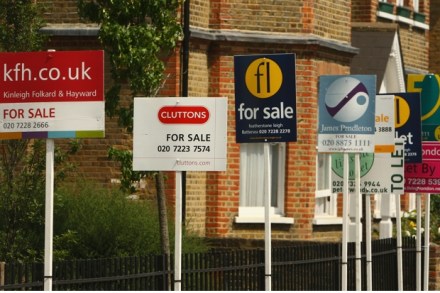
Rents have been in the news this week thanks to the Government's Housing White Paper. Now the Royal Institution of Chartered Surveyors says that rents will continue to rise with shortage of stock a key factor. ThisisMoney reports that rents will soar by 25 per cent over the next five years. Meanwhile, as far as house prices are concerned, chartered surveyors say they anticipate a rise of just under 20 per cent. A recent stamp duty increase for landlords and other tax changes have combined to make buy-to-lets as potential investments less attractive. According to the January 2017 RICS UK Residential Market Survey, 28 per cent more surveyors said they felt landlords are more likely to decrease rather than increase their portfolios over the next 12 months.

Short-term lending isn’t black and white: make sure you read the small-print

From our UK edition

As a Newcastle United fan, it was a bleak day when the Magpies announced a sponsorship deal with payday lender, Wonga. A company that charges extortionate levels of interest emblazoned across the chests of the players? Really? Thankfully, the NUFC/Wonga partnership is drawing to a close, much to the relief of legions of black and white fans, and presumably to Wonga too given last year's slide in profits not to mention the millions paid out in compensation to customers, including to those in arrears who received letters from fake law firms. But, initially at least, it was no wonder that Wonga could afford a £24 million four-year shirt sponsorship deal. The payday loan provider typically charges a representative APR in excess of of 1,500 per cent. That's not a typo.

Pensions, tax, insurance and money worries

From our UK edition

A landmark legal decision announced today could improve the pension rights of unmarried couples working in the public sector. Denise Brewster, from Coleraine, was refused payments from her former partner’s pension after he died suddenly in December 2009. They had been living together for a decade. She argued she was the victim of 'serious discrimination'. Now the supreme court has ruled that the refusal to pay her the pension was unlawful. According to the BBC, 'the result could have implications for the rights of co-habiting couples working in the public sector - including nurses, teachers, civil servants and police'.

They’ve got some front: why lying to your insurer never pays off

From our UK edition

Fibs, white lies, alternative facts. We all bend the truth from time-to-time, although for most of us that doesn't include spouting nonsense from the podium of the White House press briefing room. When it comes to finance, we're not exactly a nation of truth-tellers. I can relay multiple stories of people who have concealed chronic conditions from travel insurers, long-term illnesses from company health plans and home repairs from household insurance firms. While keeping quiet may not always be a bad thing (I'm thinking of the time I neglected to tell my sister that her one-year-old daughter ate cat litter while under my care), failing to inform a financial services provider of a key fact is rarely advisable.

Housing, energy prices, current accounts and spending

From our UK edition

The housing market is 'broken', ministers have conceded, as they unveiled the Government's revised housing strategy. Under the plans, councils will be ordered to build thousands more homes, with an emphasis on high-rise blocks and city centre developments, The Guardian reports. The Government believes that too few councils have plans to meet England's housing demand. It says that two fifths of local planning authorities lack an adequate plan for building new homes to keep pace with demand. Ministers say a minimum of 250,000 new homes are needed each year. New centralised standards will be set for local councils to project their future housing needs, with the expectation that the plans will be reviewed every five years.

Housing, mobile phone charges, motorists and executive pay

From our UK edition

There was some surprising news over the weekend concerning the Government's policy on home-ownership. Ahead of the publication of a long-delayed white paper this week, Gavin Barwell, the housing minister, said the Government intended to encourage more housebuilding of all kinds, including more social housing. According to The Independent, this represents a 'major shift in housing policy by placing greater emphasis on renters with plans to deliver more affordable rental properties'. In today's Telegraph, house-building sources say they are worried at proposed Government plans to give developers a timetable to build homes, or risk losing their planning permission.