Helen Nugent

Shares bounce back, HQ moves and holiday rip-offs

From our UK edition

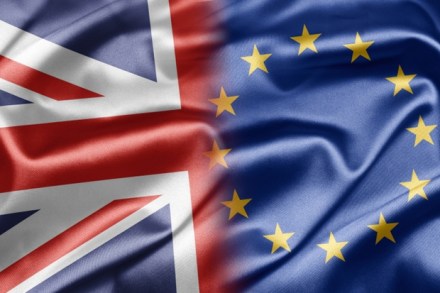
After a number of dicey days on the markets, UK shares are regaining some of the ground lost in the wake of the Brexit vote. The BBC reports that after increasing 2.6 per cent on Tuesday, the FTSE 100 share index opened up 1.6 per cent at 6,240.31. The FTSE 250 index rose 1.6 per cent in early trade. After rising on Tuesday, the pound was little changed against the dollar at $1.3341. Sterling had risen as high as $1.50 before the referendum. Brexit and businesses Vodafone has warned it could move its headquarters from the UK depending on the outcome of Britain's negotiations to leave the European Union. In an email statement, the telecoms company said it was important to retain access to the EU's free 'movement of people, capital and goods'.

More Brexit fallout, personal finances and debt worries

From our UK edition

Despite the Chancellor's efforts yesterday to calm the markets and soothe business fears, the pound hit a 31-year low against the dollar. There was more bad news when the UK lost its top AAA credit rating from S&P. The ratings agency said the the referendum result could lead to 'a deterioration of the UK's economic performance, including its large financial services sector'. Rival agency Fitch lowered its rating from AA+ to AA, forecasting an 'abrupt slowdown' in growth in the short term. However, the outlook this morning is slightly brighter. The FTSE 100 share index has opened higher (although it is still some way off recovering its Brexit losses) and the pound is showing signs of recovery.

Housing hyperbole: what’s next for house prices

From our UK edition

Without wishing to add to the hyperbole over Brexit (from both sides), it's fair to say that Britain is all over the place today. From the temporary suspension of trading in Royal Bank of Scotland and Barclays shares and sterling's continued slide against the dollar, to the slump in the return on government bonds and a profit warning from easyJet, the UK is beginning to digest its decision to leave the European Union. In the morass of doom and gloom was another profit warning, this time from Foxtons. The estate agent said concerns following the vote will depress London property sales and, in the first few minutes of trading, shares in the company dropped 18 per cent. By 11.45am they had plummeted by 22 per cent.

Brexit, businesses and price rises

From our UK edition

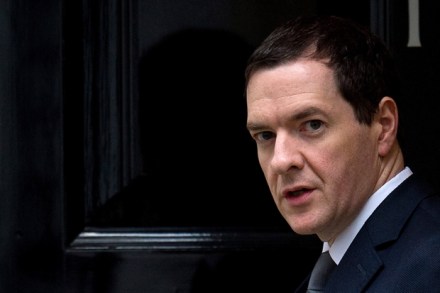
In a bid to calm the markets and allay business fears, the Chancellor has said this morning that the UK is ready to face the future 'from a position of strength' and indicated there will be no immediate emergency Budget. He said there would be problems ahead, including an 'adjustment' in the UK economy but added that it was 'perfectly sensible to wait for a new prime minister' before taking any such action. George Osborne had not spoken since the Leave campaign won Thursday's referendum. It is hoped that his decision to stay on for Brexit will steady the markets and the value of sterling. Meanwhile, the UK has had its credit rating outlook cut to 'negative' by the ratings agency Moody's which said the result would herald 'a prolonged period of uncertainty'.

A vote for Brexit: the financial fallout

From our UK edition

Today the world woke up to a UK vote to leave the European Union, the resignation of the Prime Minister and the tanking of the pound. After a tumultuous night, the result of the EU referendum was declared in the early hours: 51.9 per cent leave, 48.1 per cent remain. Although the pound rallied shortly after polls closed, once a Brexit became clear, it plummeted. At one stage, it hit $1.3305, a fall of more than 10 per cent and a low not seen since 1985. The move in sterling is the biggest one-day fall ever seen. Meanwhile, the London stock market has plunged more than 8 per cent in the wake of the UK's vote to leave the EU. In the opening minutes of trade, the FTSE 100 index fell more than 500 points to 5,808.72.

EU referendum, pension woes and the cost of teenagers

From our UK edition

The European Union referendum dominates today's papers. The Times reports that a series of eleventh hour polls suggest the vote is too close to call, with the country split down the middle over the economy and immigration. After a bitterly fought four-month campaign, the Remain and Leave camps were separated by two percentage points, according to three surveys. A YouGov poll for The Times put Remain on 51 per cent against 49 for Leave. Meanwhile, holidaymakers nervous about what may happen to the pound after today are rushing to stock up on foreign currency, with the Post Office reporting a 380 per cent surge in online orders.

Don’t let burglars get the better of you

From our UK edition

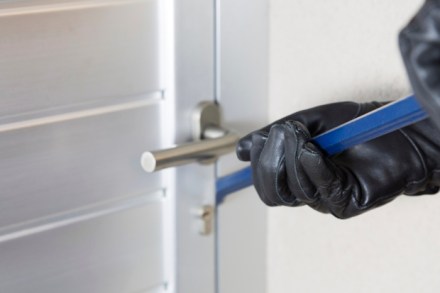
When I lived in London, I was introduced to a whole new vocabulary. 'Blinding' was a new one on me (for instance, 'that was a blinding goal') as was Chalfont St. Giles (don't ask). But perhaps the most sinister was 'London bar'. Count your lucky stars if you don't know the meaning of that last one. Put simply, it's a metal security strip designed to reinforce door frames. As far as I understand it, the London bar is so-named because many burglaries in the London area are 'kick in' attacks. Using brute force, the burglar kicks at the door until the frame fails, splits or shatters. I had personal experience of this when I lived in the capital. I was on holiday at the time and came home to discover my door frame in shreds.

Pension freedoms, expats and the EU Referendum

From our UK edition

A third of the UK population don’t know anything about the pension freedoms introduced by the Government in April 2015, according to the fifth UK Readiness Report from Aegon.  The freedoms, introduced by Chancellor George Osborne, have given people with defined contribution pensions new opportunities to access their pension savings and use this money in the way they choose from age 55. However, a significant proportion of the population remain unaware of the changes and even among those that recognise the term ‘pension freedoms’, many are unclear what it means.  A third of the 4,000 people surveyed in the research say they’ve heard about the freedoms, but admit to not understanding what the changes mean for their own retirement savings.

Rent deals, housing hot-spots and sneaky ways to save money

From our UK edition

Rents have reversed their Spring trajectory as a tide of homes to let bought before the April Stamp Duty surcharge have reached the private rented sector. According to the latest Buy-to-Let Index from letting agents Your Move and Reeds Rains, average rents for homes to let across England and Wales now stand at £792 a month. This represents a drop of 0.2 per cent since April, and compares to a long-term average monthly rise of 0.4 per cent every May since the recession. Adrian Gill, director of lettings agents Your Move and Reeds Rains, said: 'This is the equivalent of a flash flood for the rental market.

PPI, poor service and mortgage lending down

From our UK edition

The Financial Conduct Authority has caved in to banks over payment protection insurance compensation by backing their call for a two-year deadline for new claims, according to internal documents published in The Times. The paper says this is the latest example of the city watchdog softening its stance with banks and comes after a public row over its decision to scrap a review of banks’ conduct. After intense lobbying by lenders for a cut-off to be introduced for new claims over PPI — the mis-selling scandal that so far has cost £24 billion — the FCA said in November that a deadline accompanied by a marketing campaign to raise awareness would draw the affair to a close. It has yet to make a final decision.

Cash is king, housing boost for the well-off and pension fears

From our UK edition

Is cash king? Yes, according to a new study showing that money in best buy savings accounts has fared better than the stock market over most investment periods since 1995. It found that investments in tracker funds would have lost money up to a third of the time, the BBC reports. But cash in a savings account always ends up higher than it started, said Paul Lewis, the author of the report. 'People who prefer the safety of cash can make returns that beat those on tracker funds.' House prices The collapse in global oil prices has sent house prices tumbling in areas reliant on the UK’s North Sea oil industry, according to a new official house price index.

Energy hikes, tax bills and a surge in pub revenues thanks to Euro 2016

From our UK edition

A levy could be added to bills to ensure that consumers do not lose out if their energy supplier goes bust under proposals put forward by Ofgem. With more than 40 firms now offering gas and electricity deals, the energy watchdog has warned of the danger of one becoming insolvent. At present anyone who is in credit with their energy supplier could lose out. The watchdog wants the cost of a safety net to be paid for by customers, which would have 'a small impact on bills'. Ofgem's senior partner for consumers and competition, Rachel Fletcher, said: 'We are proposing a safety net to protect customers' credit balances in the unlikely event of a supplier failure.' Taxing times Employees are paying an average £1.

Inertia means we are paying over the odds for our insurance

From our UK edition

I live in a world of Post-it notes. Yellow ones, blue ones, orange ones. They are everywhere. One day someone is going to find my wizened body beneath a mountain of these infernal things. Death by Post-it note. In a world where multi-tasking has become a full-time profession, the humble Post-it note is now an integral part of modern life. The company which makes them - 3M - amassed sales of $7.4 billion in the first quarter of 2016. The first quarter! (OK, they make other stuff but you see where I'm going with this). The ubiquity of the Post-it note in my household is such that I've instigated a traffic level system for use. Yellow denotes a must-do task, blue means urgent, and orange points to something I have to tackle at some point before I die.

Rent hikes, a wealth tax and huge growth in money transfers

From our UK edition

The cost of renting a one-bedroom property in the UK has soared to swallow almost half of the average young worker’s take-home pay, according to figures published in The Guardian, while those living in London are typically handing over 57 per cent of their monthly wages. Data from property firm Countrywide showed that the average cost of a new tenancy on a one-bedroom home hit £746 a month in May, taking up 48 per cent of the take-home pay of a worker aged under 30. In London, the average rent on a one-bed property was an extraordinary £1,133 in May. Rising rents had outstripped growth in earnings to such an extent in the capital that since 2007 the proportion of take-home pay used to meet the cost had increased from 41 per cent to 57 per cent, Countrywide said.

Fears over pension freedoms, rent rises and financial advice

From our UK edition

Cracks are beginning to show in the new pension freedoms, hailed by the Chancellor as a 'pensions revolution'. About 160,000 people have had to pay fees to access their pensions since these freedoms were introduced in April 2015, with some seeing more than 10 per cent of their retirement pot swallowed up by charges. The study by Citizens Advice and published in The Guardian said that those with smaller pots were the group hit the hardest. Last month, the Financial Conduct Authority announced that exit charges for people cashing in their personal and stakeholder pensions are likely to be capped at 1 per cent of the value of a member’s pot.

House prices forecast to fall for the first time since 2012

From our UK edition

Another day, another house price survey. Today's research from chartered surveyors predicts that house prices are set to drop for the first time since 2012, as demand for property falls at its fastest rate in eight years. The Royal Institution of Chartered Surveyors (Rics) says there will be a short-term drop in UK house prices over the next three month. Surveyors expecting prices to drop outnumbered those expecting prices to rise by a majority of 10 per cent. However, Rics said the fall was likely to be short-lived. It cited the EU referendum, and a cooling of the market following stamp duty changes in April.

Keeping up appearances no longer popular as neighbourhoods fall into disrepair

From our UK edition

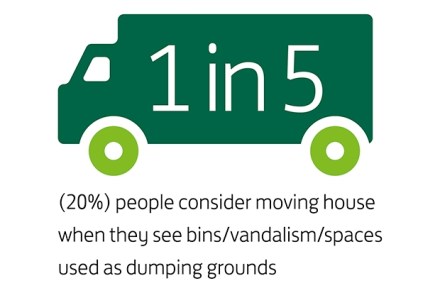
It’s a phrase you don’t hear much these days: ‘civic pride’. And, if a new report is to be believed, it won’t be long before it goes out of fashion altogether. According to Britain at Home, a comprehensive bi-annual study commissioned by Lloyds Bank Insurance, more than half of UK homeowners live in neighbourhoods that are falling into disrepair. Common problems include untidy gardens, spaces used as dumping grounds, overflowing bins and grotty buildings. The problem is now so acute that two-thirds of homeowners suffer from negative feelings about where they live and one in five are considering moving house.

Encouraging news for homeowners but motorists will not be happy

From our UK edition

House prices have grown faster than predicted, The Telegraph reports, despite concerns that buyers would hold back ahead of this month's EU referendum and a lull in the market after the buy-to-let-surge earlier in the year. The annual rate of growth in May was 9.2 per cent, unchanged since April, according to Halifax. Prices had been expected to rise 8.9 per cent in the year to May. House prices in the three months to May were 1.4 per cent higher, after a dip of 0.8 per cent in the three months to April. The fact that house prices have not dropped off substantially is ‘encouraging’ said Jeremy Leaf, a former chairman of the Royal Institution of Chartered Surveyors.

Euro 2016 will be bad for the nerves but good for the economy

From our UK edition

Here we go again. As the nation prepares itself for the glory and the pain of Euro 2016, supermarkets and DIY stores are readying themselves for a run on beer, crisps, pizzas and barbecues. And there's the rub. While our natural inclination is to expect the worst on the field (and no Sir Geoff Hurst, I don't think England's squad is the most exciting since the World Cup winning team of 1966), there is a glimmer of good news for the economy. If you've seen the glut of booze offers and cut-price fast food on the shelves of your local shops, you'll know what I mean. According to Lloyds Bank, the countries reaching the final four stages in the last five tournaments have tended to see rises in both consumer spending and GDP growth.

Money digest: today’s need-to-know financial news | 7 June 2016

From our UK edition

Gloomy news on the front page of The Times this morning: according to a poll for the paper, one in three middle-class people could not pay an unexpected bill without resorting to borrowing. According to research by YouGov showing the squeeze on household finances, 31 per cent of middle-class voters — so-called ABC1s including professional, junior managerial and administrative workers — would struggle with a sudden bill of up to £500. Forty-six per cent of manual workers and the unemployed would not be able to afford the bill. Since the financial crisis, wages have fallen by up to 10 per cent on some calculations when adjusted for inflation.