Clifford Beal

Clifford Beal is an Honorary Senior Research Fellow at Exeter University and the former editor-in-chief of Jane’s Defence Weekly

Britain’s defences have been neglected for too long

From our UK edition

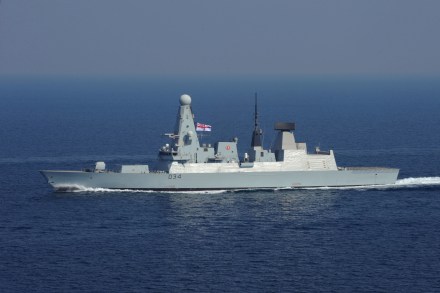
Keir Starmer has now been shamed into increasing the defence budget to 2.5 percent by 2027, a welcome move but one that will barely touch the sides of the problem. With the Strategic Defence Review being released in a few months (maybe), hard choices will still have to be made on which capabilities to fund. They can’t all be supported, and reconstituting a depleted army and boosting munitions stockpiles will probably be the priority. But there’s another area that has been badly neglected for decades: air and missile defences at home. Being the first nation to be subjected to bombardment by ballistic and cruise missiles some 80 years ago, one might believe that Britain would be prepared for a similar attack in the current day. Sadly, the missile defence picture has changed little.
Bring back shortwave!

From our UK edition

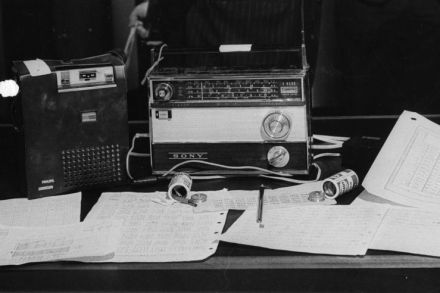
Aeschylus is credited first for the time-worn aphorism that in war, truth is the first casualty. But in the next major conflict, truth could find itself joined by virtually all information.  As a society at war, we face becoming blind, deaf and dumb once the balloon goes up. Britain and most western countries have put all their eggs in one large basket: that of digital communications. In a time of global conflict, this could be a risky and painful prospect. The rise of digital communications has been a boon but has also opened society to grave risks through cyber war. Ukraine found this out in the first years of its war with Russia. Just as worrying has been the penetration of television, the internet and streaming radio by hacker groups, both military and criminal.

How the fight against terror in Afghanistan will change

From our UK edition

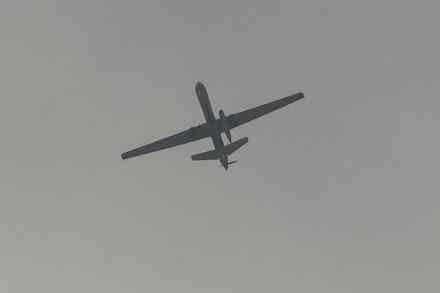
In the aftermath of the 9/11 attacks, the West entered a new age: it was the era of the 'shadow war', in which American – and Western – might was ranged at preventing the export of terrorism from the Middle East. That was, of course, before the futile exercise of 'nation building' in Afghanistan and Iraq. Twenty years on, we are back where we started: Afghanistan is in the grip of a radical Islamist regime. Again it is likely to become a launch pad for Al Qaeda (and Isis) attacks in Europe and America. So how can the West defend itself from the threat? Amidst the debacle of the hasty American withdrawal from Afghanistan, there is some good news: weapons technology has moved on considerably.