Christopher Priest

Victorian science fiction soon ceased to be fanciful

From our UK edition

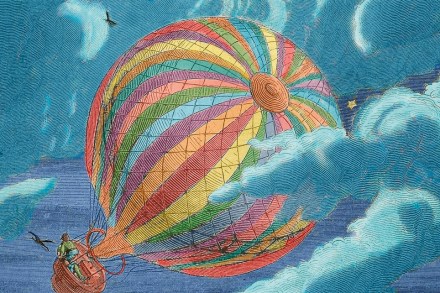
One of the more daft but enduring spin-offs of the science fiction genre is steampunk – fiction fashioned with a retrofuturistic love of 19th-century industrial technology. Think of an ironclad of the air, shaped like a fantasy submarine, with six or more propeller engines powered by cogs and levers, funnels pumping out coal smoke from

Too much sound and fury in Christopher Nolan’s movies

From our UK edition

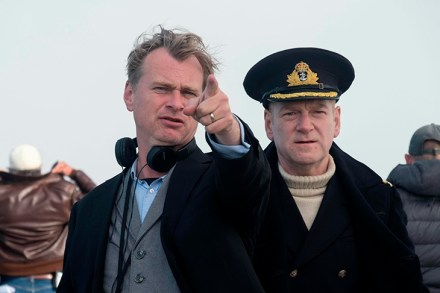
In 2006 the director Christopher Nolan filmed an adaptation of one of my novels, written a decade and a half earlier. Other than providing the source book, I had no involvement with any part of the filming. Unlike some novelists who have a Hollywood film made, I was not at all disappointed with the result:

Was Dresden a war crime?

From our UK edition

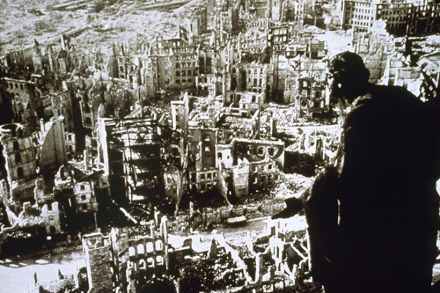
The literature of second world war bombing campaigns is surprisingly extensive. The books written in Britain largely focus on the night sorties by RAF Bomber Command, but the equally destructive second world war campaigns by the US 8th Air Force (daylight raids on Germany) and the Luftwaffe (the Netherlands, the Blitz on the UK) are

How did the infamous Josef Mengele escape punishment?

From our UK edition

The atrocities of the concentration camp at Auschwitz–Birkenau are now universally known, but it is still almost beyond belief that Auschwitz could exist in modern Europe. The history of the camp is a comparatively recent one: construction began in April 1940, less than 80 years ago, and the first victims died there, or were killed,

Darkness visible | 9 May 2019

From our UK edition

With his first novel about looking after an engineered wood floor, and a second novel about what it is like to stay in a chain hotel, Will Wiles seems determined to corner the market in unpromising literary subjects. His latest novel, Plume, is about a chap who lives in a rented flat in London and

Out of this world | 28 March 2019

From our UK edition

Like someone who has bought a first computer, then reads the manual from front to back but never actually gets around to switching the thing on, Robert A. Heinlein appears in his late fifties to have come across a how-to book about sex. Thereafter an instant expert, he wrote novel after novel brimming with it,

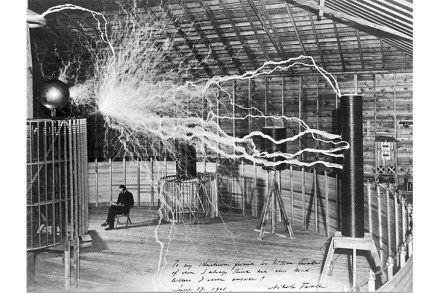
The electrifying genius of Nikola Tesla

Nikola Tesla, the man who made alternating current work, wrote to J. Pierpont Morgan, the industrialist and banker. It was 1902 and Tesla was broke. ‘Am I backed by the greatest financier of all time? And shall I lose great triumphs and an immense fortune because I need a sum of money? Are you going