Christian Guy

Britain’s banks fail the poor

From our UK edition

Britain’s banks aren’t working for the poor. We, the better off, might moan when our internet banking crashes or in-branch mortgage advisers can’t meet us on Saturday mornings; but these are frustrations the poor can only dream of. The individuals and families most in need of ethical finance, clear rules, reliable advice and appropriate products, have almost nowhere to turn on our high streets today. As a result some people never bother: 1.4 million people in the UK have no transactional bank account. For others, the banking industry’s hidden charges, penalties and standard fees mean they crash out of mainstream finance in even worse shape. Exasperated and bruised, many turn to the kind of people you wouldn’t want looking after your grandmother.

Forget zombies – the Queen is fighting slavery

From our UK edition

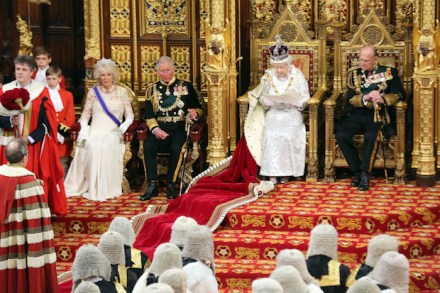
Two years ago a well-known MP told me that the Centre for Social Justice was wasting our time chasing political action against slavery, because it wasn’t a ‘doorstep issue’. I’m rather glad I didn’t take that advice because, as Theresa May has said, our 2013 report It Happens Here sparked the vital changes we will hear from the Queen today. Later this morning Elizabeth II will open Parliament for the 61st time. Labour claims she’ll have nothing much to say, with Shadow ministers attacking an impending ‘zombie parliament’. This is unfair. Especially because nestled in Her Majesty’s speech will be a landmark Modern Slavery Bill.

Justice for the cockle pickers would be a new Modern Slavery Bill

From our UK edition

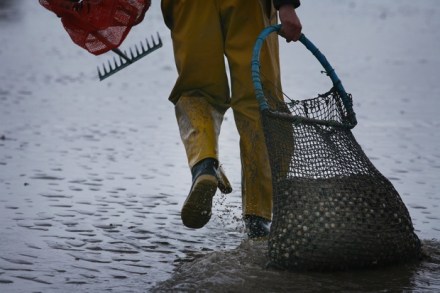
Ten years ago the sands of Morecambe Bay were stained by modern slavery.  The death of 23 terrified Chinese cockle pickers, left stranded as the tide swept in, shocked our country. Smuggled into the region with the false promise of prosperity, two women and 22 men were sent to do the treacherous beach work on 5 February 2004.  Their ringleaders had destroyed their passports, and, using violence, threats and the cruellest of coercion, they destroyed their lives too. Only one survived. Li Hua spoke recently of his constant anguish. He tells of the night terrors, the panic attacks and his gut-wrenching sadness. Despite everything though, he knows he’s lucky to be alive.

Wriggle room welfare – 6 AME ‘cap’ observations

From our UK edition

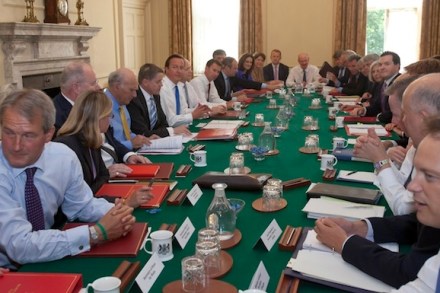
The savings-hungry government has set its sights on welfare-related Annually Managed Expenditure (AME). At £183bn a year – it’s over half of all government AME spending. The state pension is the largest piece of the pie, accounting for around £80bn. Tax credits cost £25bn and housing benefit £22bn. A radical AME cap has the potential to reduce welfare spending – a point Labour accepts and supports. Following yesterday’s announcement, several observations can be made. 1). It’s a target, not a cap.  The language is tough but a firm ceiling on this type of demand-led spending is probably unworkable. A target approach would see a spending limit set at the Budget.

Why church leaders are wrong to attack welfare cuts

From our UK edition

Another day, another welfare row. The practical outworking of the Government's most controversial idea - that people on welfare should actually be better off in work, continues to spark outrage. Today it is church leaders who line up to try to land punches on Iain Duncan Smith, making an attack on his decision that welfare payments (like the average salary) should not keep pace with inflation. In leading the biggest package of welfare reform since the first foundation stone of social security was laid by William Beveridge, IDS  is familiar with the poverty lobby's ongoing shock-and-awe strategy. Yet like so many who have gone before, today's critics miss the bigger picture.

Modern slavery: it happens here

From our UK edition

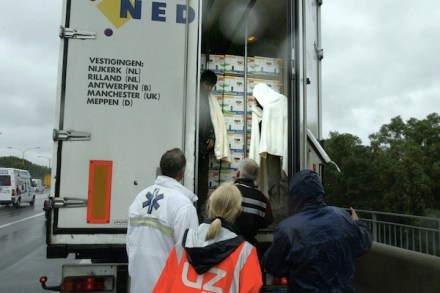
Slowly but surely, British court cases are revealing a once great nation of abolitionists to be a shadow of its former self.  We often celebrate the nineteenth century anti-slavery movement and its precious victory.  We hail their achievement and honour our Parliament’s noblest hour. But like weeds in a neglected garden, slavery has returned.  Its roots remained intact – inherent in humanity’s darkest weaknesses.  Today, it is aggressive and hidden.  It lives in the shadows of Britain’s cities, towns and villages.  And as this morning’s Centre for Social Justice report reveals, too often it thrives uncontested. In the hands of international bureaucrats the problem has become better known as ‘human trafficking’.

Social care reforms: clever politics, bad government

From our UK edition

Judge a Government on its priorities.  And then its priorities within priorities.  Amidst the clamour for rapid and credible deficit reduction, the dawning reality that green shoots won’t sprout unaided, Iain Duncan Smith’s welfare reform and Michael Gove’s education revolution, social care did make the hastily compiled Coalition to-do list. But a Government’s Parliamentary programme is a game of two halves, and within weeks of Andrew Dilnot’s radical report in 2011, it became clear that any such reform would be a second half priority. Today, after months of cross-party Whitehall wrangling and internal Coalition debate, the Health Secretary proudly unveils the Government’s offer.

Saving the children? Another child poverty report misses the bigger picture

From our UK edition

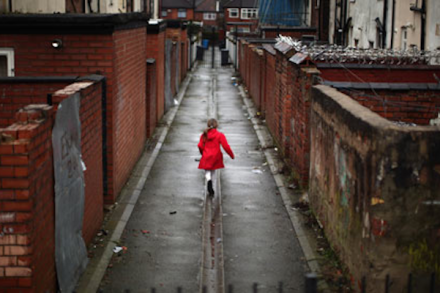
Yesterday’s reshuffle isn’t the only story in town. Save the Children, a global charity, has today started to fundraise for children in Britain whom it says are affected by the government’s cuts. It is now run by Justin Forsyth, an ex-aide to Gordon Brown, who will have understood the political implications of the research: that coalition policies are making child poverty worse. The problem is that this analysis mistakes the nature of poverty in Britain, and – worst of all – the ways of alleviating that poverty. The root problem is a confusion of low income as a cause of these issues, rather than the symptom of wider social failings it often represents. This basic failure has characterised political programmes and grand government schemes for years.