Chris Skidmore

Fuel for thought: how business can make use of hydrogen

From our UK edition

40 min listen

How we achieve net zero is more than just a political or environmental decision. It is one that will have huge societal impacts. How we get our energy translates to how we move around, how we heat our homes. It’s a reminder that the energy transition has many trade-offs, as we navigate achieving net zero while protecting the wellbeing of people and industry, especially during a cost-of-living crisis.  Might hydrogen be part of the answer? In this special podcast, The Spectator’s economics editor Kate Andrews speaks with those working in government, NGOs, and industry about how to unlock this technology.
PISA rankings are a shot in the arm for education reformers

From our UK edition

Like measuring water by the handful, calculating the success of the education system at a time of rampant grade inflation is an impossible task. If exam results go up every year how can we know if are our children are actually getting a better education or if exams are just getting easier? Part of the answer is international comparisons – which is why the OECD PISA rankings published today do actually matter. The last time they were published, in 2009, they showed that as a country we slipped to 25th in reading, 28th in maths and 16th in science. Yet at the same time domestic UK exam results were getting better. If you think that doesn’t add up, that’s because it doesn’t.

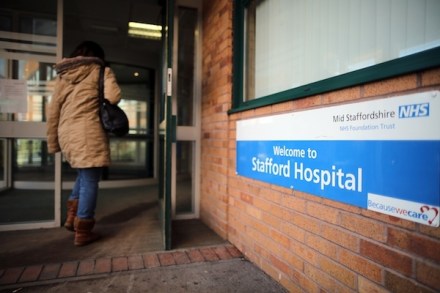
Who should we blame for the Mid-Staffs scandal?

From our UK edition

As the row over who knew what and when in the Mid-Staffordshire tragedy grows, it's worth taking a close look at the data involved. When you consider the Mid-Staffs scandal across the timeline of the previous government, the findings present extremely uncomfortable evidence for which the Labour party must be held to account. There are two key measures. These are the number of ‘expected deaths’, weighing up the age and condition of patients admitted to hospital, against the actual total number of deaths occurring. The difference between the two figures is known as ‘unexplained deaths’.

The company of wolves

From our UK edition

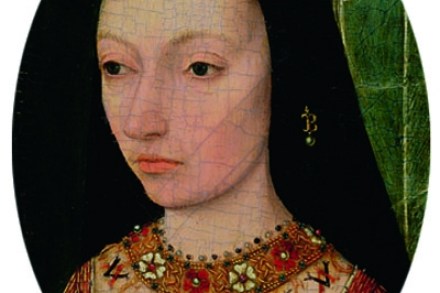
The 15th century is beginning to supplant the Tudor age in its allure for historians and novelists. It comes replete with regicide, civil war and — what seems a necessity to the modern market — a wealth of strong queens, or ‘she wolves’ behind every ruler. Sarah Gristwood’s sensitive approach marks out Blood Sisters as much more than the narrative of an age, however. It is an exploration of what it meant to be a medieval queen. The author focuses on the interplay and interdependence of seven women.

Richard III: a ceremony fit for a king?

From our UK edition

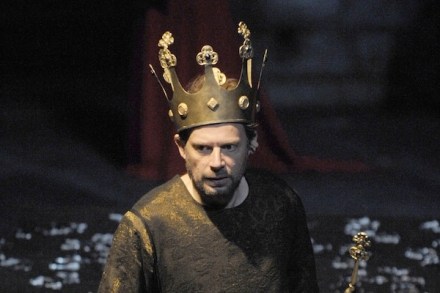
Chris Skidmore, Conservative MP and historian, explains the plans already in place for the burial of Richard III. I, here, whom the earth encloses under ostentatious marble, Was justly called Richard the Third. I was Protector of my country, an uncle ruling on behalf of his nephew. I held the British kingdoms in trust, although they were disunited. Then for just sixty days less two, And two summers, I held my sceptres. Fighting bravely in war, deserted by the English, I succumbed to you, King Henry VII. But you yourself, piteously, at your expense, thus honoured my bones And caused a former king to be revered with the honour of a king When in twice five years less four Three hundred five-year periods of our salvation had passed.

Pawns in the royal game

From our UK edition

The Sisters Who Would Be Queen, by Leanda de Lisle Only recently a portrait minature by Lavina Teerlinc was identified as being of Lady Jane Grey. Her diminutive size, coiffed red hair and crimson lips had suggested that it might be her — except that the eyes are blue, while Jane’s were known to be brown; but Teerlinc was accustomed to giving all her subjects blue eyes. It is all we have; no other portrait of Jane is known to exist. The absence of a recognisable image reflects the problem facing any historian wishing to study her. The evidence is simply not there to form a credible description, let alone a biography, of England’s shortest reigning monarch.