Charles Moore

Charles Moore

Charles Moore is The Spectator’s chairman.

He is a former editor of the magazine, as well as the Sunday Telegraph and the Daily Telegraph. He became a non-affiliated peer in July 2020.

Charles Moore’s tax avoidance tip

From our UK edition

Last week, volume one of my life of Margaret Thatcher won the Elizabeth Longford Prize for Historical Biography. This made me feel greatly honoured, because I knew and loved Elizabeth — she was our country neighbour — and admired her own biographies greatly. It is also undeniably pleasant to get £5,000 without having to do

It’s time for Muslim agitators to stop suing and start debating

From our UK edition

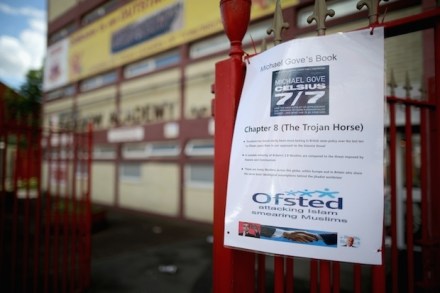
Not long after the murder of Drummer Lee Rigby in Woolwich last summer, I wrote a piece in the Daily Telegraph criticising the concentration on the alleged backlash against Muslims. In particular, I attacked an organisation called Tell Mamma, run by Fiyaz Mughal, for appearing to suggest that the unpleasant EDL was as monstrous as

One way to persuade me to vote Ukip

From our UK edition

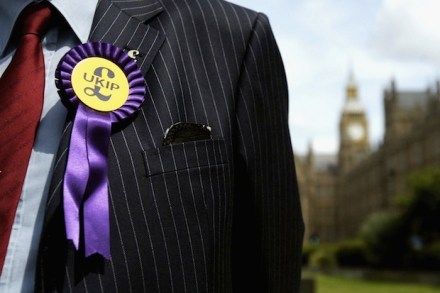
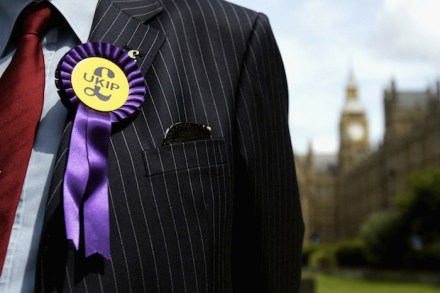
So far, I am disinclined to vote for Ukip in the forthcoming Euro-elections. Our area has been represented for many years by the great Daniel Hannan, the leading practising Eurosceptic of our times, so I have resisted the Faragiste temptation. But I felt a bit wobbly after reading an interview with Nigel Farage in the Guardian.

Max Clifford’s conviction vindicates the jury system

From our UK edition

The conviction of Max Clifford for indecent assaults feels like a vindication of the jury system, as did the acquittal of the many other showbiz characters charged under Operation Yewtree. One reason I keep raising questions of justice about the current obsession with paedophilia is out of suspicion that those most zealous in their accusations

Was I abused by Jimmy Savile? | 25 April 2014

From our UK edition

Adverts go out inviting people who think they were sexually abused by the late Sir James Savile to claim compensation. On the BBC, Alison Millar, a lawyer at the firm Leigh Day, explained that, to be paid: ‘You will need some evidence to show that you were in a situation where Savile will have had

Was I abused by Jimmy Savile?

From our UK edition

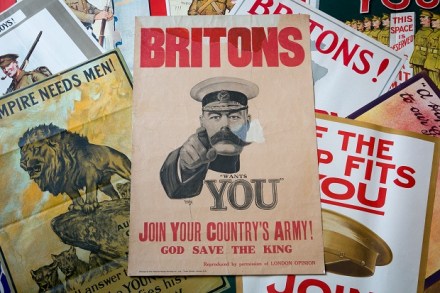
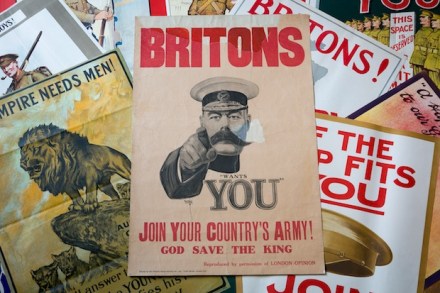
‘Twenty-six million people in Europe are looking for work. And whose jobs are they after?’ asks the Ukip poster for the euro-elections, beside a Lord Kitchener-style pointing finger. Obviously, Ukip thinks the answer is ‘Ours’. But this isn’t true. Twenty-six million people are not looking for British jobs, but for jobs in general. And even

Ukip’s poster campaign misses the point about the job market

From our UK edition

‘Twenty-six million people in Europe are looking for work. And whose jobs are they after?’ asks the Ukip poster for the euro-elections, beside a Lord Kitchener-style pointing finger. Obviously, Ukip thinks the answer is ‘Ours’. But this isn’t true. Twenty-six million people are not looking for British jobs, but for jobs in general. And even

When politicians were more than mere politicians

From our UK edition

A friend has sent me a copy of a memo sent by the Financial Secretary to the Treasury (William Glenvil Hall) to the Chancellor of the Exchequer (Hugh Dalton) on 19 September 1945. It discusses the salaries and expenses of MPs and ministers. At that time, MPs received £600 a year (roughly £22,000 today). The

Who is the Stonegate fare-dodger?

From our UK edition

Much speculation where we live about the identity of the Stonegate fare-dodger, one stop up our railway line. He recently paid £43,000 to Southeastern, the franchise holder, to escape criminal charges after five years of constant cheating on his daily commute to London. Obviously no suspicion falls on such fine local citizens as my fellow

The Pope’s brilliant PR

From our UK edition

‘Show, don’t tell’ is the mantra of PR advisers when telling public figures how to communicate. Pope Francis’s technique does both at once. By confessing his sins to what the media call ‘an ordinary priest’ in St Peter’s basilica without entering the confessional box, he seemed almost to be boasting that he is, like everyone,

The Spectator’s Notes: In defence of Maria Miller

From our UK edition

[audioplayer src=”http://traffic.libsyn.com/spectator/TheViewFrom22_10_April_2014_v4.mp3″ title=”James Forsyth and Isabel Hardman discuss Maria Miller’s resignation” startat=1057] Listen [/audioplayer]Maria Miller’s forced resignation is a disgrace. No iniquity was proved against her. Over her expenses, I suspect her motive was innocent: she was trying to work out childcare with her parents in a way compatible with the weird rules, rather than

Why Maria Miller should not have resigned

From our UK edition

Maria Miller’s forced resignation is a disgrace. No iniquity was proved against her. Over her expenses, I suspect her motive was innocent: she was trying to work out childcare with her parents in a way compatible with the weird rules, rather than plotting larceny. The parliamentary committee probably understood the circumstances fairly. The press anger

The EU is eroding Swiss exceptionalism

From our UK edition

Even in Switzerland, the elites are sold on the European Union, though it remains outside. It has a virtually irresistible draw in all European countries for the people that Mr Gladstone disparaged as ‘the Upper Ten Thousand’ (who today probably add up to the Upper One Million). As a result, Switzerland is gradually allowing its

Boris should call a referendum

From our UK edition

Everyone can see that the West has no idea what to do about Russian power in the Ukraine. Britain, in particular, is at the margins. It is time for the Mayor of London to fulfil his historic role of stealing a march on more conventional politicians. Boris should take a leaf out of President Putin’s

How I became editor of The Spectator (aged 27)

From our UK edition

Thirty years ago this weekend, I became editor of The Spectator. In the same month, the miners’ strike began, Anthony Wedgwood Benn (as the right-wing press still insisted on calling him) won the Chesterfield by-election, the FT index rose above 900 for the first time and the mortgage rate fell to 10.5 per cent. Mark Thatcher was

How I became editor of The Spectator – aged 27

From our UK edition

Thirty years ago this Saturday, I became editor of this magazine. In the same month, the miners’ strike began, Anthony Wedgwood Benn (as the right-wing press still insisted on calling him) won the Chesterfield by-election, the FT index rose above 900 for the first time and the mortgage rate fell to 10.5 per cent. Mark