Olympics

European culture is being Americanized

Did Mariah Carey mime or not when she headlined the opening ceremony of the Winter Olympics in Milan? That was the main takeaway from last month’s jamboree. Organizers have since suggested that the US singer did indeed lip-sync to Domenico Modugno’s “Nel Blu, dipinto di Blu” and the song that followed, her very own, “Nothing is Impossible.” “The technical, logistical and organizational complexities of an Olympic ceremony are not comparable to a live performance by a single artist,” said a spokesperson for the organizing committee.    Was there also a linguistic complexity in the decision? Perhaps Carey didn’t feel confident singing live in Italian in front of 75,000 spectators in the San Siro Stadium, plus the 9.2 million Italians watching the ceremony on television. Nevertheless, Maria Laura Iascone of the organizing committee called Carey’s performance “exceptional,” adding that

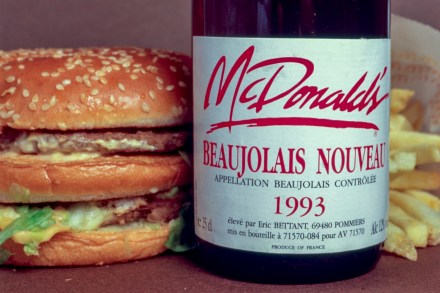
Une bouteille de beaujoulais nouveau à côté d'un repas McDonald's, France, 1994. (Photo by Robert DEYRAIL/Gamma-Rapho via Getty Images)

The dying art of sports journalism

Late in January, while the Washington Post was gearing up for the Olympics, staffers got an email from managing editor Kimi Yoshino. “As we assess our priorities for 2026,” she wrote, “we have decided not to send a contingent to the Winter Olympics.” A few days later the Post announced that it would send four journalists to Italy after all – down from more than a dozen. That’s four people to cover a two-week event with more than 116 medal competitions. Then at the start of this month, all 45 members of the sports team were told the section was being shut down. “We will be closing the Sports department

Should Olympians be paid?

Sporting events like the Olympics generate billions. But while officials, organizers and broadcasters are well-compensated for their roles, the athletes are not

Olympics