Freedom of speech

Memes are legal again

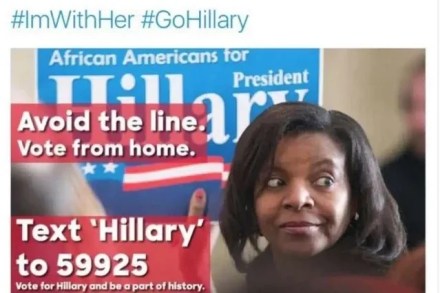
The Second Circuit Court of Appeals has thrown out the conviction of Douglass Mackey for lack of evidence, remanding his case to a district court for immediate dismissal. The ruling marks a massive victory for shitposters everywhere. For those of you who are not extremely online or deeply obsessed with the Pilgrim’s Progress of First Amendment rights in America, Mackey is the online figure formerly known as “Ricky Vaughn” whom the Biden FBI arrested in 2021 for a tweet he posted in 2016 making fun of Hillary Clinton and spreading satirical information about “texting to vote.” The government said he was using "social media to spread disinformation relevant to the impending 2016 Presidential Election.
Douglass Mackey

What Trump’s executive orders will do

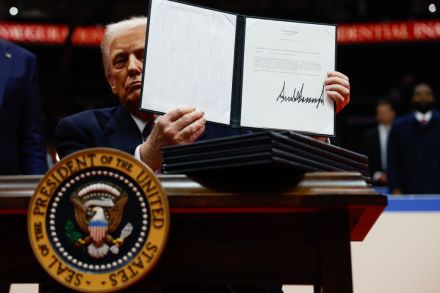
The newly sworn-in President Trump had a busy inaugural day. Between swearing into office and waving a saber around while dancing to “YMCA” at an inaugural ball, he also signed several executive orders and proclamations. After signing his cabinet and other nominations, President Trump’s first order of business was to proclaim that all flags should be flown at full staff for this and all future inauguration days. Following the inaugural parade, President Trump signed a bevy of additional executive documents as thousands of his supporters cheered.

The crucial Supreme Court decisions set to be decided this week

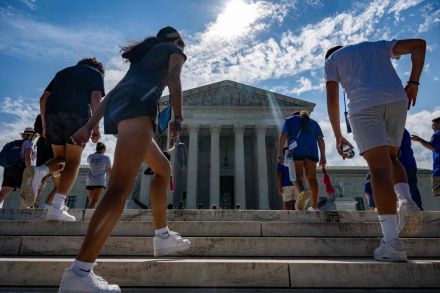
The Supreme Court is entering the home stretch of its session, with just days left before it goes into recess for the summer. Some of the most significant decisions have yet to be issued, teeing up a big week. Here is what some of those cases are. Moore v. Harper This case tackles whether a state’s supreme court can rule on gerrymandering cases. The plaintiffs are testing the independent state legislature theory, which argues that state legislatures have the prerogative in redistricting, and that state supreme courts cannot get involved in the process. North Carolina’s supreme court has since switched its original decision against the state legislature, meaning that the US Supreme Court might drop the case instead of issuing a decision. Students for Fair Admissions v.

supreme court

Will the Supreme Court end social media censorship?

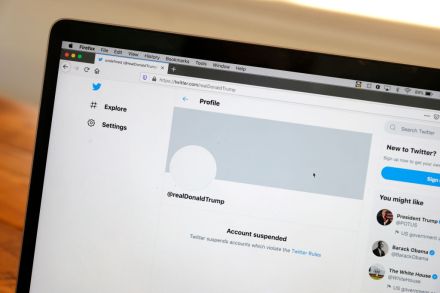
Conservative media seems to have missed this story, and the limited liberal press it got took it as a simple win. But the real showdown is coming this fall. Later this year, it is possible — not likely, but possible — that the Supreme Court will take away the right of social media platforms like Twitter and Facebook to censor content. This would have the effect of granting some level of First Amendment protection, now unavailable, to conservative users of those platforms. The potential for change hinges on a law struck down by the lower courts, Netchoice v. Paxton, which challenges Texas law HB 20. That law addresses social media companies with more than 50 million active users in the US, like Twitter, YouTube, and Facebook.

2019 was not a good year for freedom of speech

This article is in The Spectator’s January 2020 US edition. Subscribe here. ‘Crisis? What crisis?’ That’s often the response of complacent academics when people like me draw attention to the erosion of free speech on campus. For instance, Lee C. Bollinger, the president of Columbia University, wrote an essay for the Atlantic last June entitled ‘Free Speech on Campus is Doing Just Fine, Thank You.’ But is everything rosy in the groves of academe? I thought I’d take this opportunity to look back on the year gone by and see if 2019 was a good or bad one for intellectual freedom in American higher education.

freedom

The NBA tosses an alley-oop for China’s censors

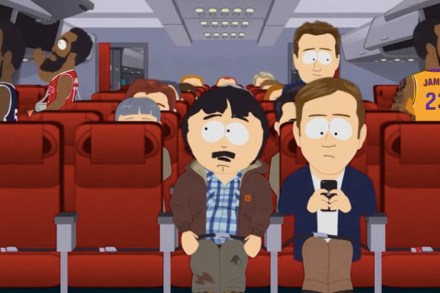
The co-creators of South Park have once again demonstrated why the cartoon remains, after 23 seasons, remarkably astute at delivering shrewd political commentary. Its 299th episode, ‘Band in China’, parodies China’s extreme censorship, restricted internet, and the capitulation of the American entertainment industry to cater to the political interests of the Chinese Communist party (CCP), which in an ironic case of life imitating art, got the show banned in China and virtually scrubbed from its firewalled internet.

south park nba