Lead book review

Books of the Year I — chosen by our regular reviewers

Anna Aslanyan A decade after Londoners, we have another wonderful work of oral history from Craig Taylor. New Yorkers: A City and its People in Our Time (John Murray, £16.99) is a collection of monologues that makes you feel as if you are there, listening to these people. A nurse, an activist, a nanny, a

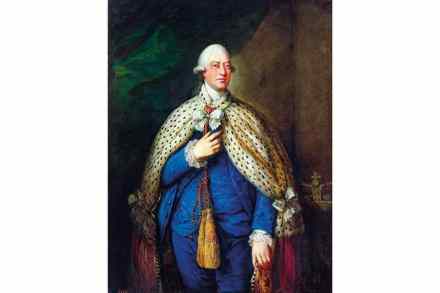
Has George III been seriously maligned?

Every British historian has a story about the witlessness of Americans when it comes to our Georgian kings. The fate of Alan Bennett’s play The Madness of George III is notorious — Hollywood turned it into a film entitled The Madness of King George, in part lest American audiences assume it a tertiary sequel to

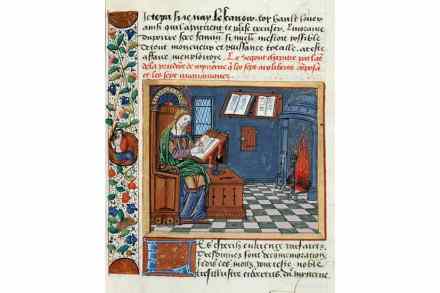
The magic of manuscripts

Manuscripts have something of the appeal of drawings. They bring you closer to the creative process. Even a copy adds something special to the text: an editorial twist, a decorated initial, a margin full of beasts or just a beautiful script in which every letter is fashioned by hand like no other. Manuscripts do more

A dutiful exercise carried out in a rush

Like department stores, empires and encyclopaedias, the multi-volume narrative national history is an invention of the later 18th century. It reaches its apogee, promising to bring everything important within a single enclosure, in the 19th and early 20th century. After that, ambitious examples appear to be fighting against a general lack of enthusiasm. Most of

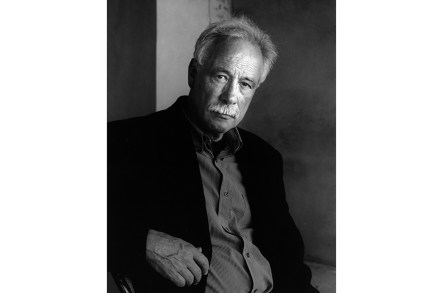
W.G. Sebald’s borrowed truths and barefaced lies

W.G. Sebald is the modern master of the uncanny — or perhaps that should be ‘was’, as he died in a car crash near Norwich in 2001 at the age of 57. Deciding which tense to use depends on whether you mean ‘W.G. Sebald’ as a shorthand for his body of work, which outlives him,

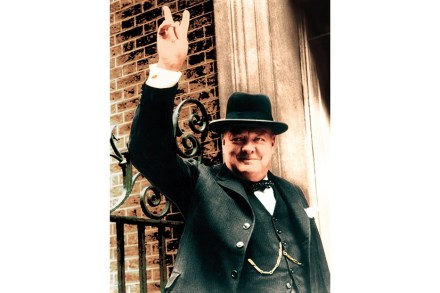
Churchill as villain – but is this a character assassination too far?

The veteran journalist Geoffrey Wheatcroft claims in his prologue to Churchill’s Shadow that: ‘This is not a hostile account, or not by intention, nor consciously “revisionist”, or contrarian,’ before launching into a long book that is virtually uninterrupted in its hostility to Winston Churchill, his memory and especially anyone who has had the temerity to

The disappearing man: who was the real John Stonehouse?

November 1974 was the month to disappear. On the 7th, Lord Lucan went missing, and a fortnight later John Stonehouse MP dis-appeared from a beach in Miami. Lucan was never found, so remains prominent in our national mythology. Nothing endures like a mystery. Stonehouse, on the other hand, was discovered in Melbourne six weeks later,