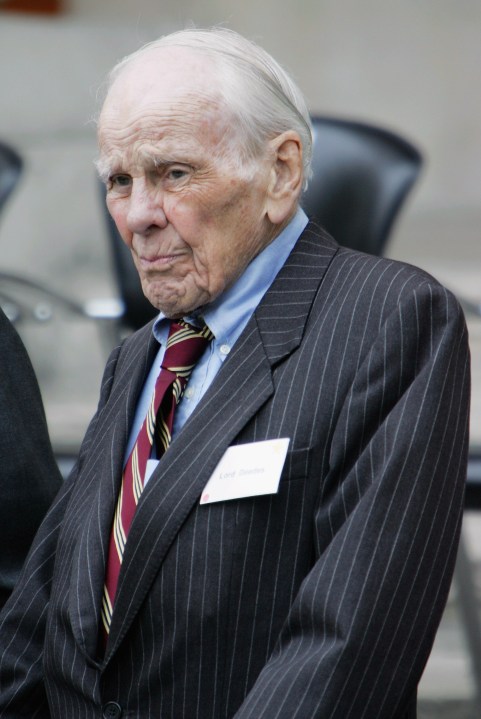
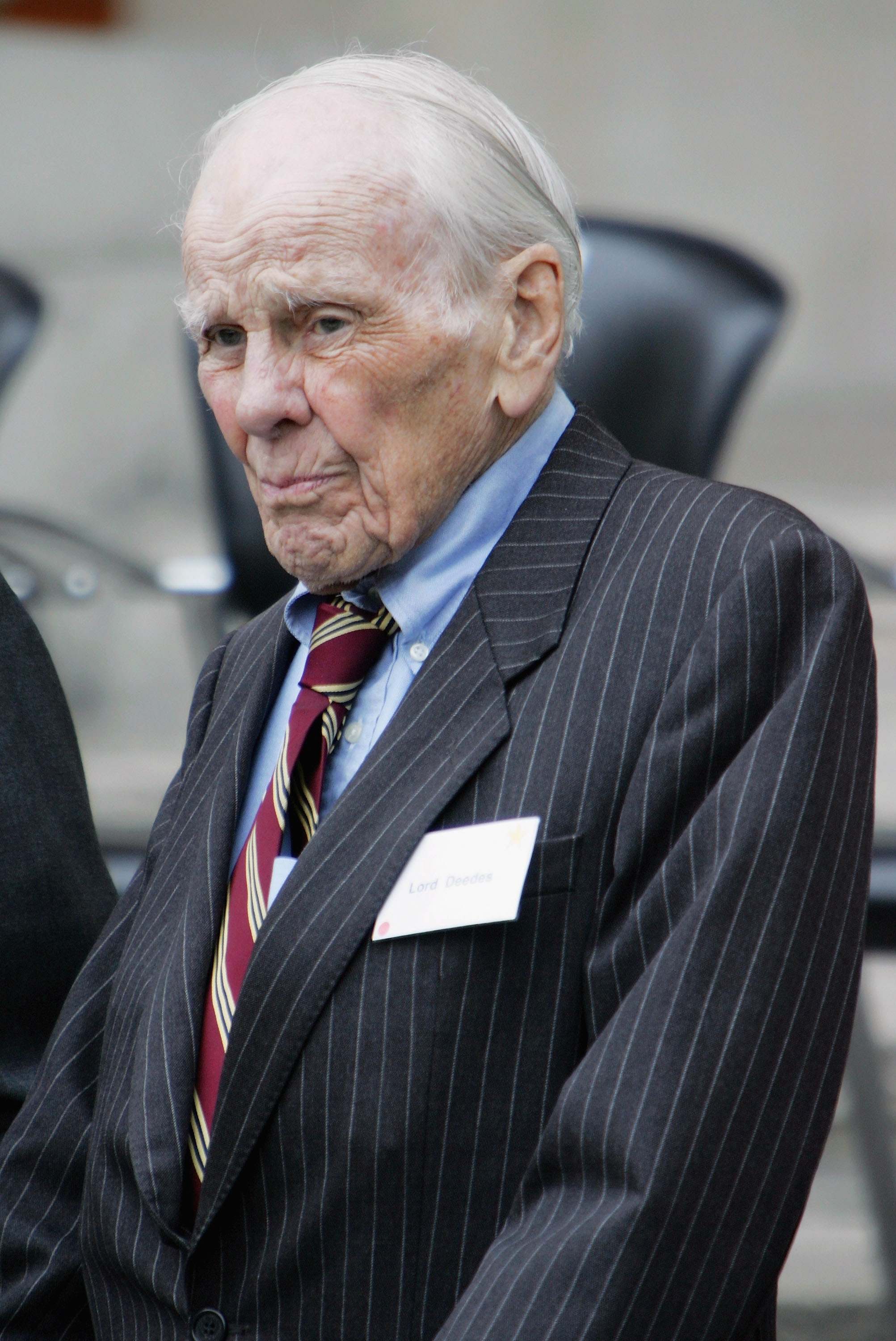
 Dear Bill. It is impossible to think of any other journalist — let alone a former editor of the Daily Telegraph — whose death would have made the lead on BBC news bulletins. Most journalists are not much liked. Bill — W. F. Deedes, Lord Deedes — was loved. The public trusted him. He wrote with compassion, common sense and a keen sense of the absurd, and was equipped with a vast knowledge of the world and its affairs. He knew or had met just about everyone who mattered in the 20th century. He drew on his own experiences but he did not bang on about himself.
Here, from The Spectator of 18 August 2001, are his thoughts on immigration in one of the last things he wrote for the “front of the book”: The trouble with your speech about Commonwealth immigrants, I told Enoch Powell over a friendly lunch we were taking together in the 1980s, is that from 1968 onwards it forced everyone in authority to make light of all the problems Commonwealth immigration was creating; indeed to pretend that there was no serious problem. He looked, I remember, unreasonably pleased at this accusation.
And here, again from The Spectator, is Bill on Evelyn Waugh, the man who made such memorable use of him in Scoop. It was written in October 2003 to mark the centenary of Waugh’s birth:
Do read them both, but here is the last paragraph from the Waugh tribute:[Waugh] saw human nature with alarming clarity and wrote of it with total honesty. Some will tell you that A Handful of Dust, written after the break-up of his first marriage, is Waugh’s best novel; others prefer Scoop. I rate highly Put Out More Flags, which emerged unobtrusively in 1942 at a low point in the second world war. For it encapsulates the end of the ‘phoney’ war, Dunkirk and all that, and the slow national awakening to reality. To win, we would have to gird our loins, train anew and then somehow break into fortress Europe. In the final pages Waugh shows even Basil Seal in a heroic light. All the usual suspects are moving towards their duties. ‘There’s a new spirit abroad,’ says silly old Sir Joseph Mainwaring. ‘I see it on every side.’ ‘And, poor booby,’ declares Waugh in his last line, ‘he was bang right.’ A bit of our history.
W. F. Deedes, 1 June 1913 – 17 August 2007. RIP.But what was he really like?’ people ask tediously. What the hell does it matter? We have become obsessed with the idiosyncrasies of people who write good books and produce great music. What I do know about Waugh in all his moods is that his religion counted for much with him. He knew how awful he could be, knew he would be more awful without that divine grace. What more do we need to know? Why look into the crystal ball when we can read all the books?




Comments